
The Technical SEO Guide: Crawling, Rendering, Indexing and Speed
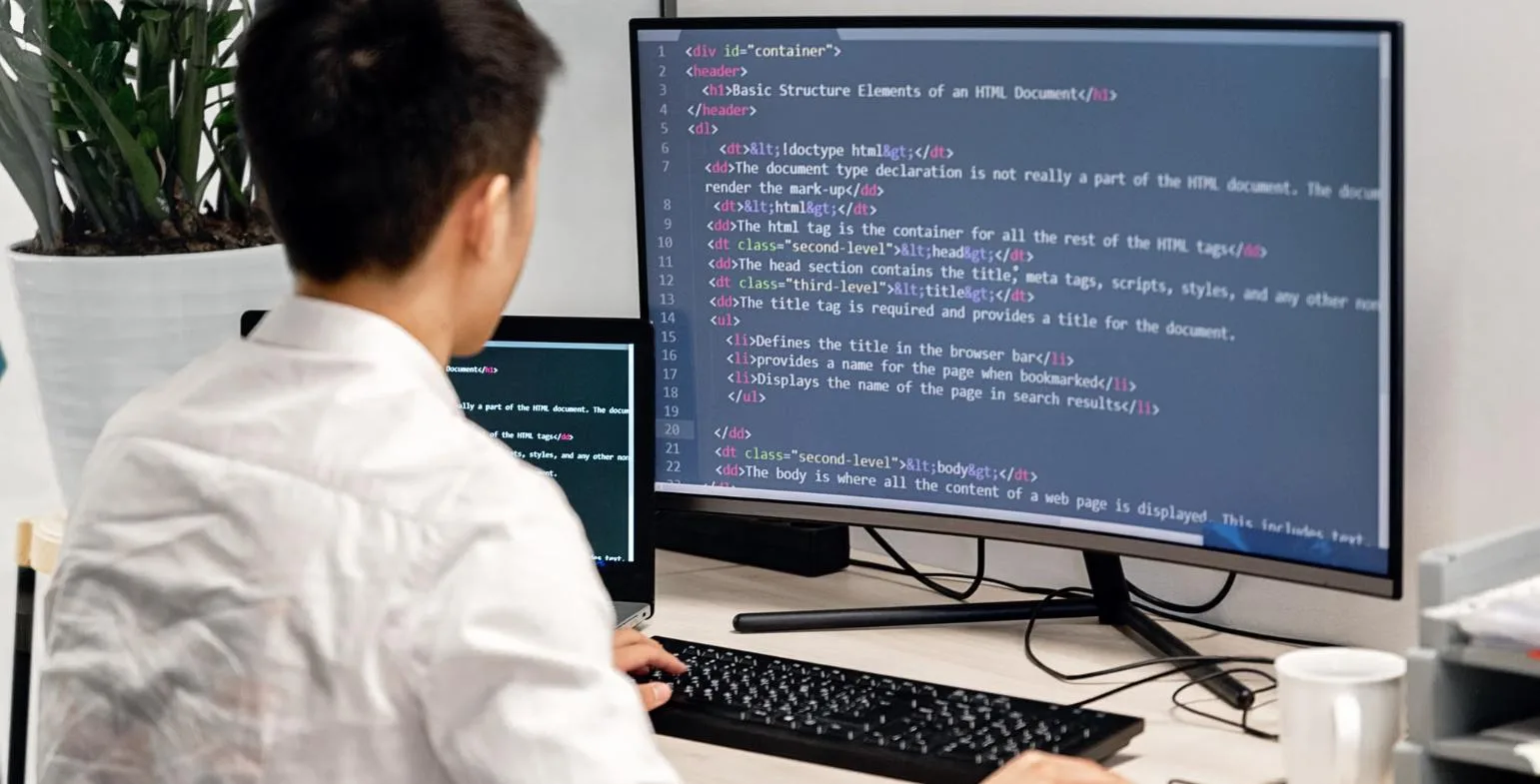
Technical SEO is the work that decides whether anything else you do is visible at all. If a page cannot be crawled, rendered, indexed and served quickly, no amount of content or link building will save it. That is also true for AI answer engines: Google states plainly that a page must be indexed and eligible to be shown with a snippet before it can appear in AI features.
These sixteen guides cover the foundations in the order they matter. Start with access and indexation, then rendering, then structure and speed.
Crawling, indexing and access
Whether search engines and AI crawlers can reach your pages, and what happens when they cannot.
Rendering and code
What the crawler actually sees, and how JavaScript changes it.
Structure and architecture
How pages relate to each other and how users and crawlers move between them.
Speed, devices and structured data
Performance, mobile behavior, and making your facts machine readable.
Want this done for you
Frequently asked questions
What is technical SEO?
Technical SEO is the work that makes a site crawlable, renderable, indexable and fast enough to compete. It covers robots directives, sitemaps, indexation, JavaScript rendering, site architecture, internal linking structure, page speed, mobile behavior and structured data. It does not create demand on its own, but it decides whether the content and authority you build can be seen.
Does technical SEO matter for AI search?
Yes, and it is the entry gate rather than an optimization. Google states that a page must be indexed and eligible to be shown in search with a snippet before it can appear in AI features. Separately, AI crawlers such as GPTBot, ClaudeBot and PerplexityBot follow their own robots directives, so a site can be visible to Google and invisible to an AI engine.
Does schema markup improve AI citations?
The best available causal evidence says no. A study of 1,885 pages that added JSON-LD, compared against roughly 4,000 matched control pages, measured minus 4.6 percent on Google AI Overviews and effects statistically indistinguishable from zero on AI Mode and ChatGPT. Keep structured data for rich results and for making commerce data machine readable, but do not sell it as an AI citation tactic.
What should I fix first?
Access, then indexation, then rendering, then speed. Check robots.txt and snippet directives, confirm in server logs which crawlers actually fetch the site, verify that your content exists in the rendered HTML rather than only after JavaScript runs, and only then optimize performance.
The rest of the library
Related guides
Don't miss the chance to
make your website more visible!
Initial consultation and
audit of the current situation

Read also

Article Behavioral Factors in SEO: What They Are and How to Improve Them
Article JavaScript Links Are Hiding MENA Sites From ChatGPT and Claude

Article VOCTOS Is a Top SEO, PPC and SEM Company in Egypt on Clutch for 2026
Article Commercial Ranking Factors: The Complete List

Article The Title Meta Tag: What It Is and How to Write It
Article The Role of Meta Tags in Search Engine Optimization
Article Can You Sue an AI for Defamation? Where the Law Stands

Article Cloudflare’s 15 September AI Crawler Defaults: The Check Gulf and Egypt Brands Should Run Today





Real Results
More Wins
SEO & GEO for Delta Medical Labs
 GEO
GEO
1M+ monthly organic visits, 159,200 ranked keywords, 5,570 pages cited by AI engines, and 1,186 #1 rankings in KSA.

Arabic SEO, GEO & guest posting for VPNly
 SEO
SEO
65K peak monthly organic visits, 55 guest posts, and 149 pages cited by AI engines.

SEO & GEO for Ogaei Virtual Care
GEO
From 3 to 7,931 monthly organic clicks in 7 months, 2.9M+ impressions, and 40+ keywords in Google’s Top 10.

SEO for Eduverse
SEO
12× search traffic in 10 months, 45% of target keywords in the top 5, and 55% in the top 10.
Trusted by