

Integrated Search Marketing
Integrated search marketing — also called SEO and SEM integration — means running organic and paid search as one plan instead of two. That is what OneSearch is: one team, one keyword map, one budget. Your spend either wins ground you don't own yet or defends the ground you already do — it never pays twice for the same click.
Trusted by


















The problem
You are paying twice for the same keywords
When your SEO team and your paid search team never compare notes, they research the same keywords twice and chase the same searcher out of two separate budgets. One invoice pays to rank for a term. The other pays to buy the click on it. Same query, same buyer, two line items.
What's included
What SEO & SEM integration actually includes
One scope, one team, one report — covering organic and paid search together.
Technical SEO Audit
We clear the technical debt that quietly caps your rankings: page speed, Core Web Vitals, structured data, mobile usability, crawl and index errors. Google can then find, understand and trust every page — and the same fixes lift Quality Score on the paid side.
Shared Keyword & Intent Research
One research pass serves both channels. We map winnable, high-intent keywords to each stage of your funnel and decide, term by term, whether organic or paid should own it — so the two stop bidding against each other.
On-Page Optimization
Titles, meta descriptions, headings, internal links and content depth are tuned page by page. Stronger pages rank higher organically and cost less per click, because Google rewards the same relevance in both systems.
Content & Landing Page Strategy
Topic clusters and an editorial calendar built around the pages that actually produce revenue. Ad traffic and organic traffic land on the same tested pages, and those pages become sources that AI answer engines quote.
Authority & Link Building
White-hat digital PR and editorial links that earn trust the honest way. No link farms, no bulk buying, nothing that puts your domain at risk.
Unified Reporting & Forecasting
One live dashboard for blended traffic, leads and cost per lead across SEO and SEM. You stop comparing two vendors’ stories and start reading the number that decides your budget.
Move across the pack to read each one.
Not sure how your budget should split between SEO and ads?
Ask for a free audit that measures what you spend today against one holistic search strategy.
No obligation, reply within 24h.Side by side
Two separate vendors, or integrated SEO & paid search
The same scope of work, run two very different ways.
How we work
How we build your holistic search strategy
Every OneSearch engagement runs through the same five stages. We start with your data and your goals, agree the plan before any work begins, then run organic and paid search from one keyword map — so both channels report into the same picture instead of two different ones.
Get a OneSearch proposalUnified Kickoff
- Send us a request or book a call
- We walk through your goals and current numbers together
- We review your existing organic and paid performance
- You get a scoped proposal with clear timelines, not guesswork
- We agree terms and sign before any work starts
One Keyword Map
- We build one keyword map covering organic and paid intent together
- Every keyword is matched to the page or ad group it should drive
- Commercial, high-intent terms get prioritized first
- Budget and effort go where they convert, not just where they rank
Cross-Channel Audit
- Technical, content and paid audits run side by side
- Meta tags, headings and ad copy get aligned to one message
- Crawl and speed issues blocking rankings get fixed
- On-page and landing pages are tightened for both channels
One Experience
- Content gets written to rank and to convert
- Landing pages are built to match what the keyword map promised
- Navigation gets simplified around what visitors came for
- We track on-site behavior so CTR climbs and bounce rate drops
One Report
- One monthly report covering organic and paid together
- A clear view of what changed and what it delivered
- One conversation to agree next month's plan
- Ongoing adjustments based on real performance data
What clients get from a unified search strategy
Who integrated search marketing is for
It works best for businesses already investing in both SEO and Google Ads — or about to — who want one team answerable for how the two channels perform together.
A good fit
Not a fit
What we offer our clients:
-
Market and competitor research

-
Optimizing commercial trust signals

-
Troubleshooting technical errors

-
On-page content and structure optimization

-
Unique and high-quality content

-
Building a strong backlink profile

-
Increased search rankings and reach

-
Increasing website user engagement







INSIDE THE VOCTOS CLIENT PORTAL
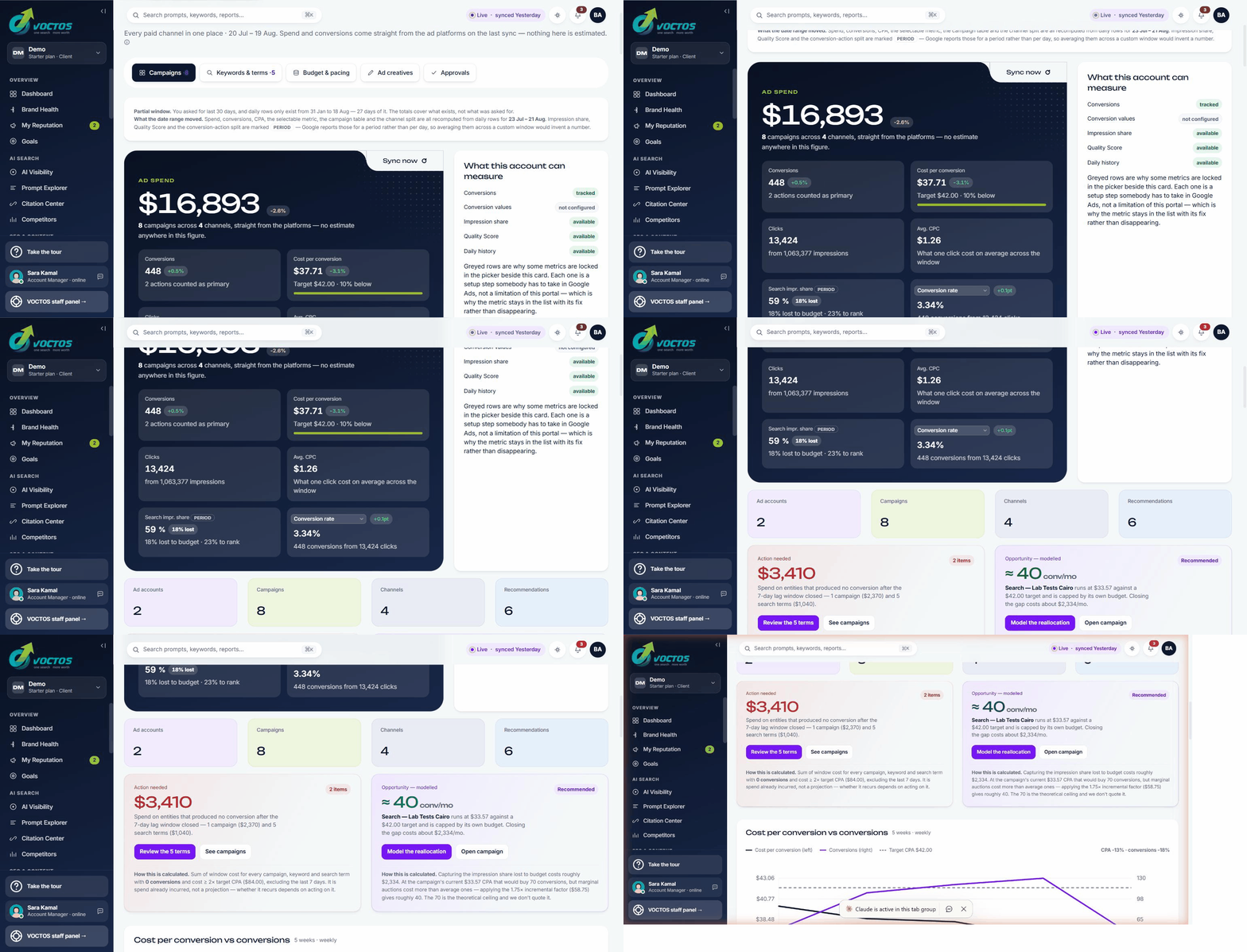
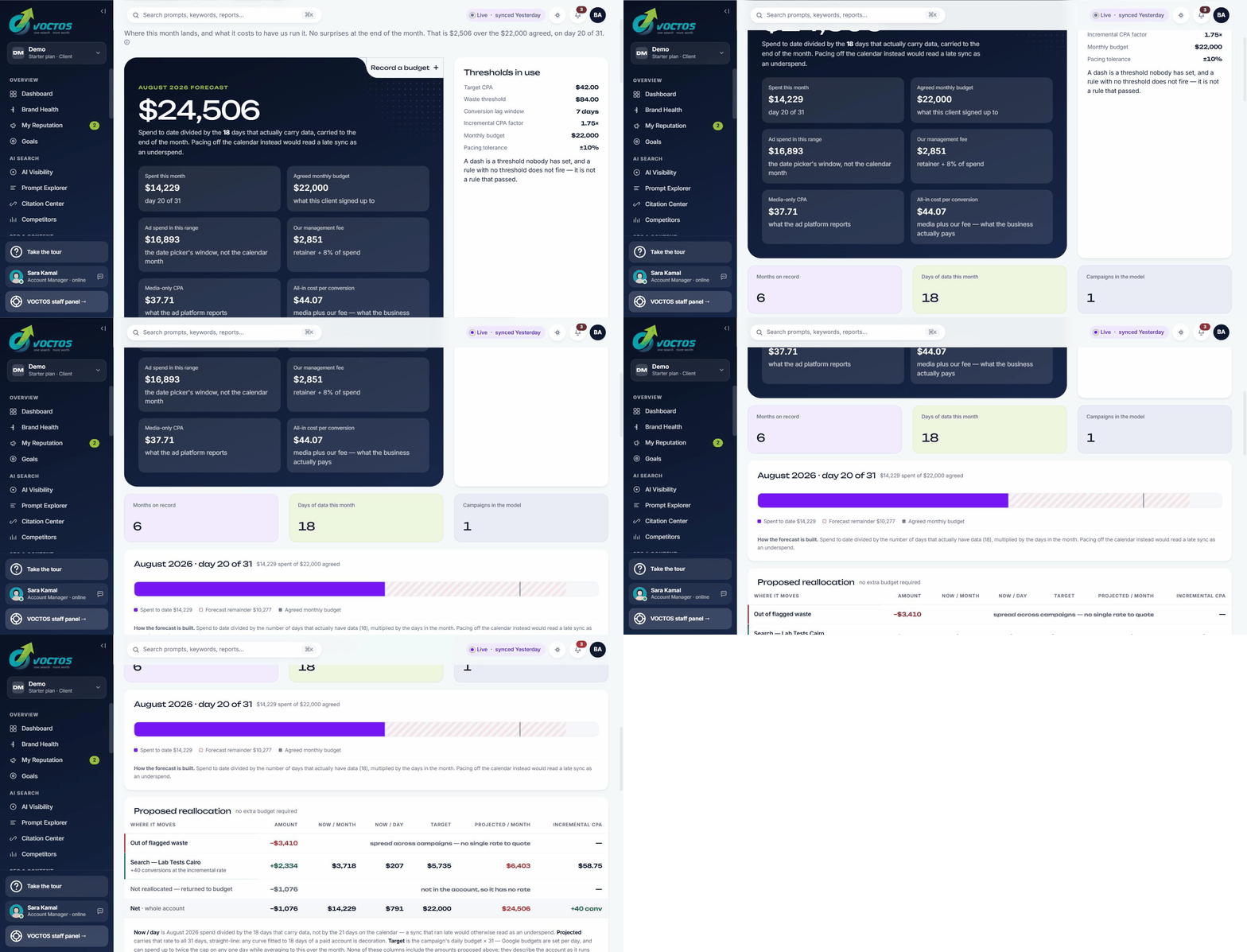
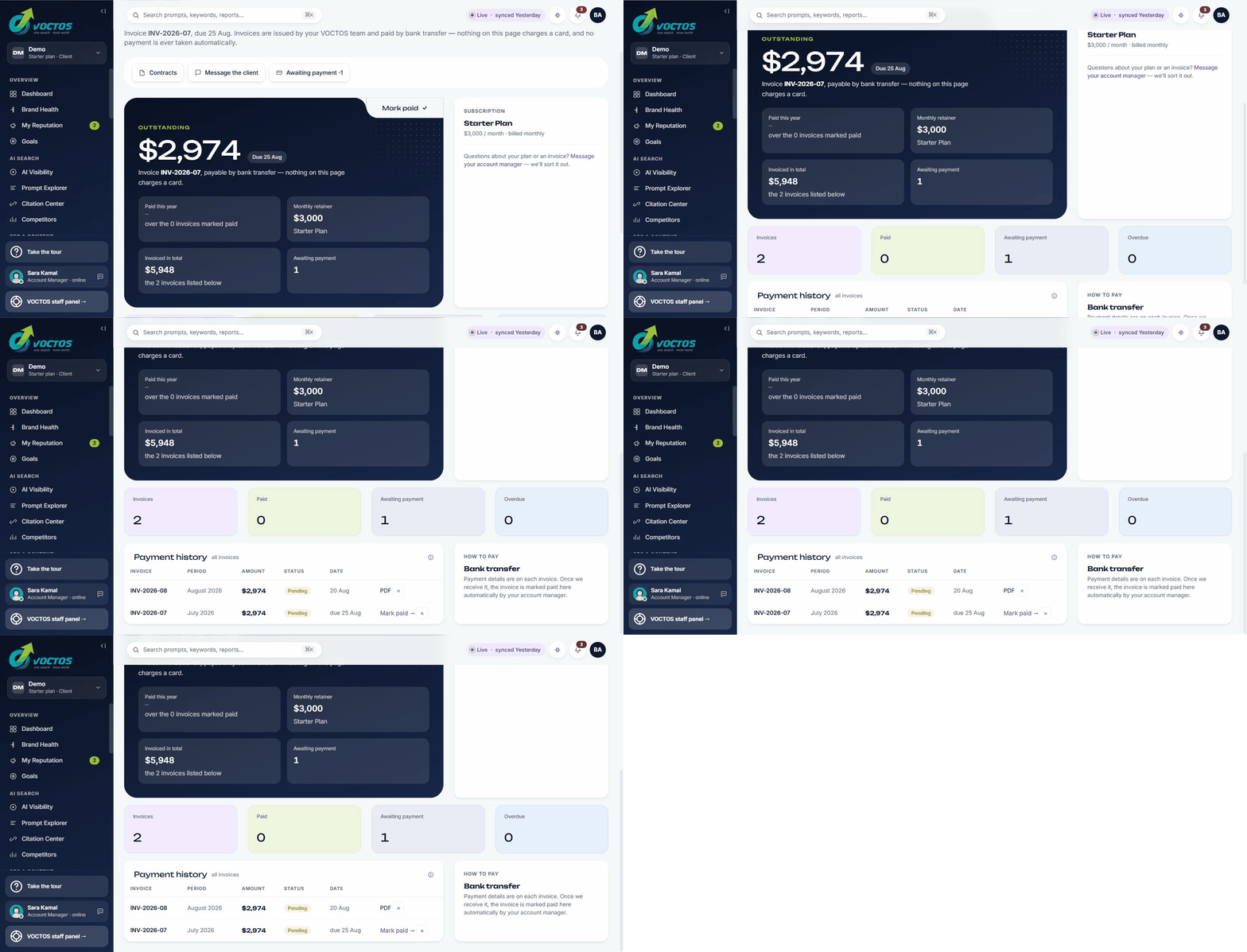
Organic and paid in one view, because the budget is one budget.
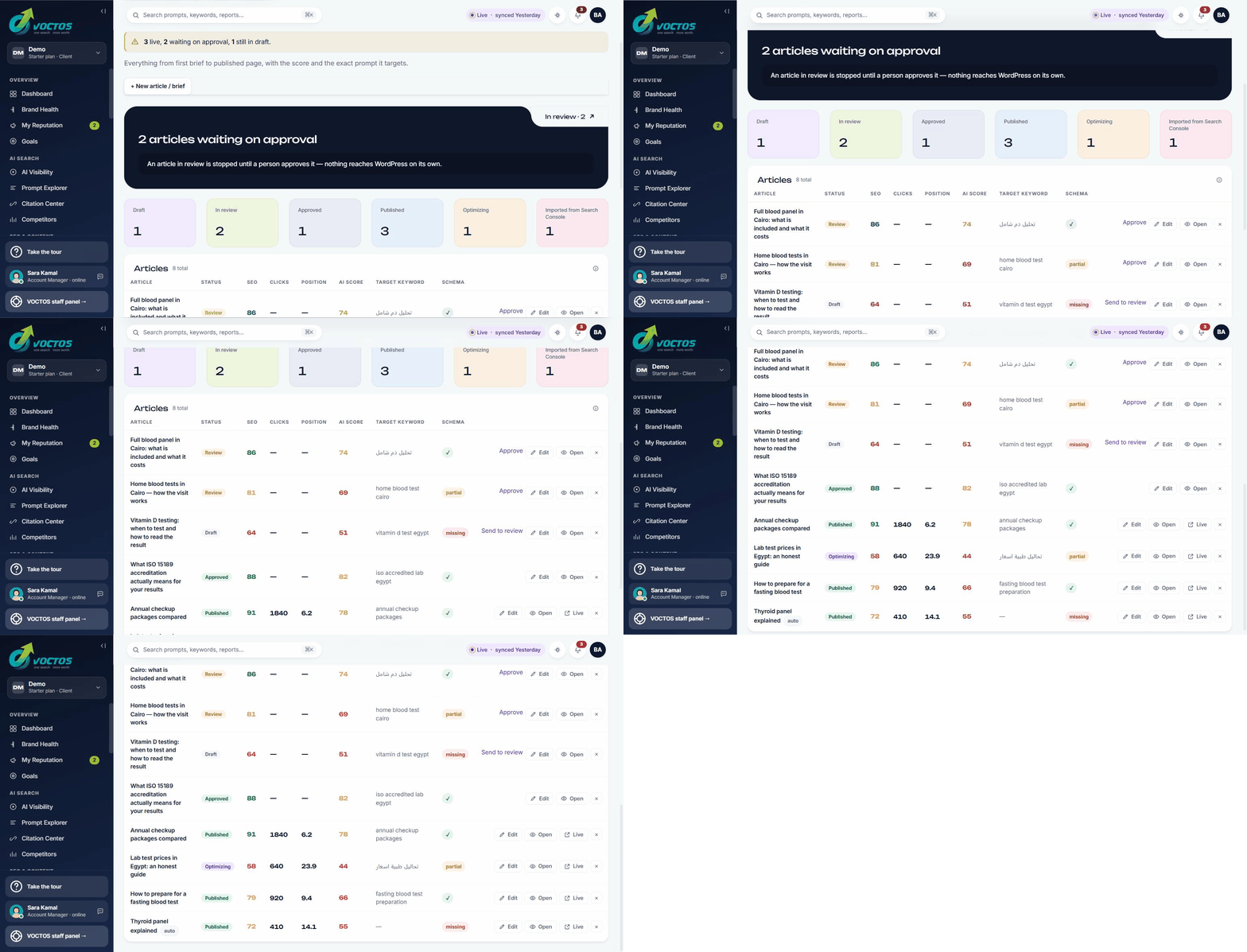
Five screens from the live client portal. Running search as one channel only works if you can see both halves together: organic health and content on one side, spend, campaigns and pacing on the other. The screenshots below are live views of a demo workspace. The layout is exactly what you get; the figures inside are demo data.
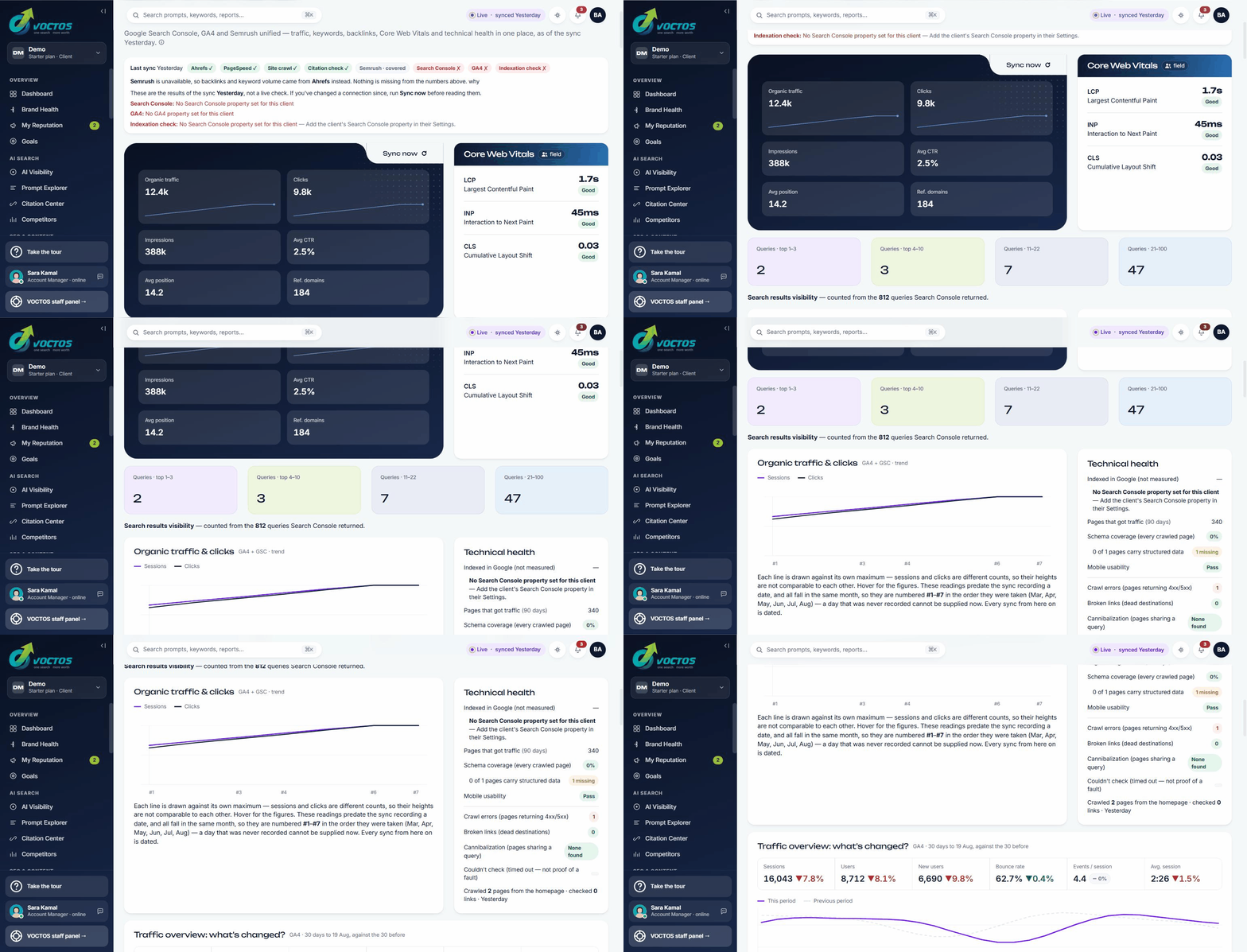
Clicks, impressions, positions and the pages producing them, next to the technical health of the site: Core Web Vitals, indexation, crawl errors, redirect chains and pages that have dropped out. Search Console and analytics data sit in the same view as the technical checks, so a traffic drop and the change behind it are on one screen rather than in two tools.
Integrated search plans
Start with SEO only, then fold in Google Ads once you’re ready — one team, one plan, scoped around your budget.
SEO Only
For businesses starting with organic search before adding paid
- Technical SEO Audit
- Shared Keyword & Intent Research
- On-Page Optimization
- Monthly Reporting
- Unlimited keyword set and keyword mapping
- A full SEO strategy your in-house team can execute
- Content and internal-linking recommendations

OneSearch Growth
An effective combination of SEO and Google Ads run as one team
- Shared Keyword & Intent Research across both channels
- Google Ads Campaign Setup & Management
- Content & Landing Page Strategy
- Unified Reporting & Forecasting
- Commercial-factor and trust-signal improvements
- White-hat link building to strengthen domain authority

OneSearch Enterprise
For brands running full-scale SEO and PPC across multiple markets
- Full Technical SEO + PPC Audit
- Authority & Link Building
- Multi-market Content & Landing Page Strategy
- Dedicated Account Team & Weekly Reporting
- KPIs tied to organic traffic or ranking positions
- Priority queries promoted first
The transition is possible with existing SEO or PPC campaigns already in place
Case studies
All case studies
GEO Services for Delta Medical Labs
 GEO
GEO
1M+ monthly organic visits and 159,200 ranked keywords, 3,600 Google AI Overview citations, while ranking #1 for 1,186 high-volume keywords in KSA.

Arabic SEO, GEO & guest posting for VPNly
 SEO
SEO
65K peak monthly organic visits, 55 guest posts, and 149 pages cited by AI engines.

SEO & GEO for Ogaei Virtual Care
GEO
From 3 to 7,931 monthly organic clicks in 7 months, 2.9M+ impressions, and 40+ keywords in Google’s Top 10.

SEO for Eduverse
SEO
12x search traffic in 10 months: 45% of target keywords in the top 5, 55% in the top 10
The Team
the whole team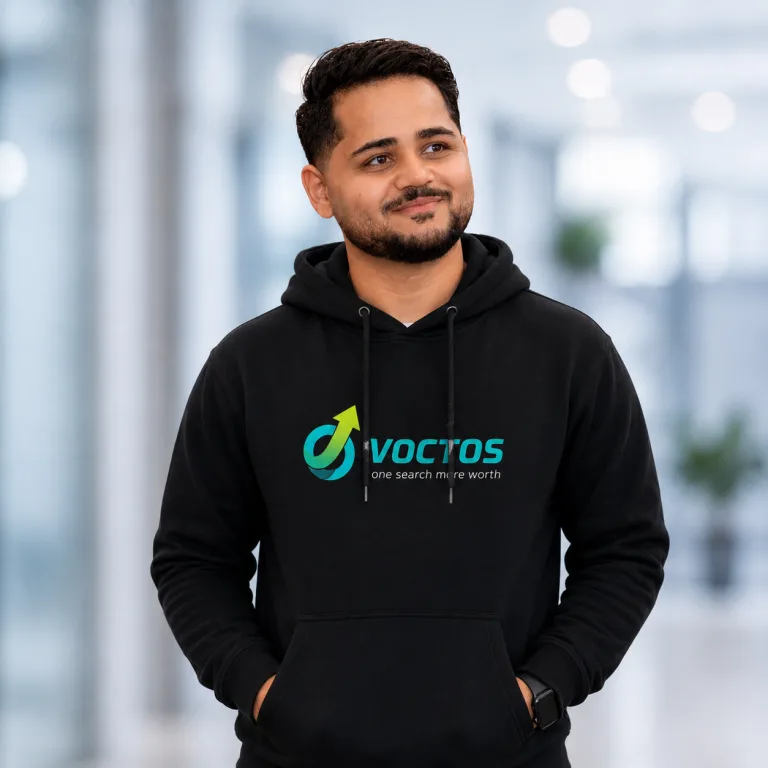 Head of SEO and GEO
Beshoy Adel
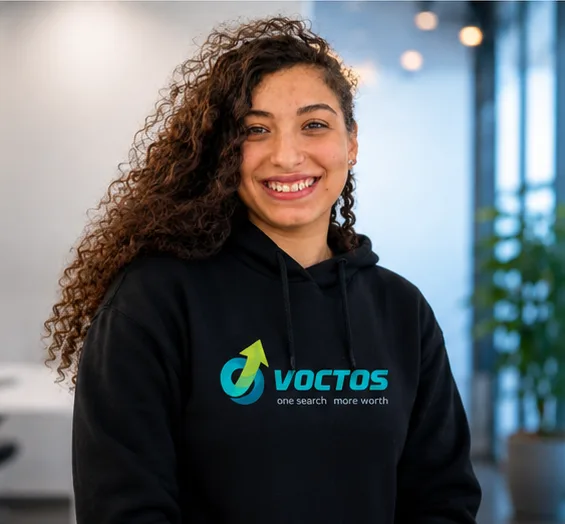 Senior SEO Specialist
Monika Gabriel
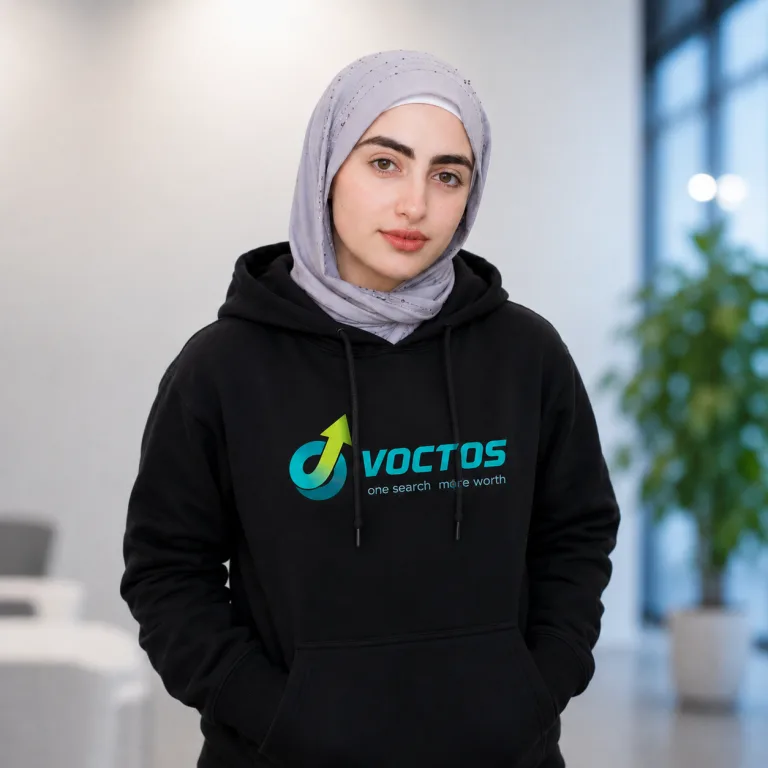 Senior Full-Stack Web Developer
Reem Sameh
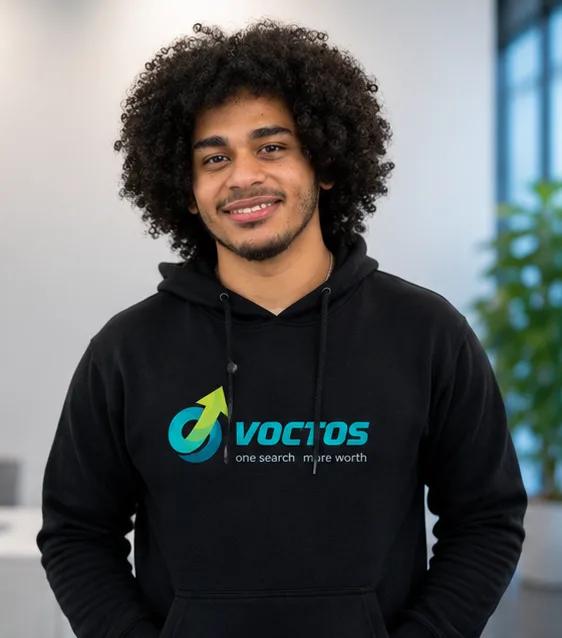 Head of PPC
Keroles Mousa
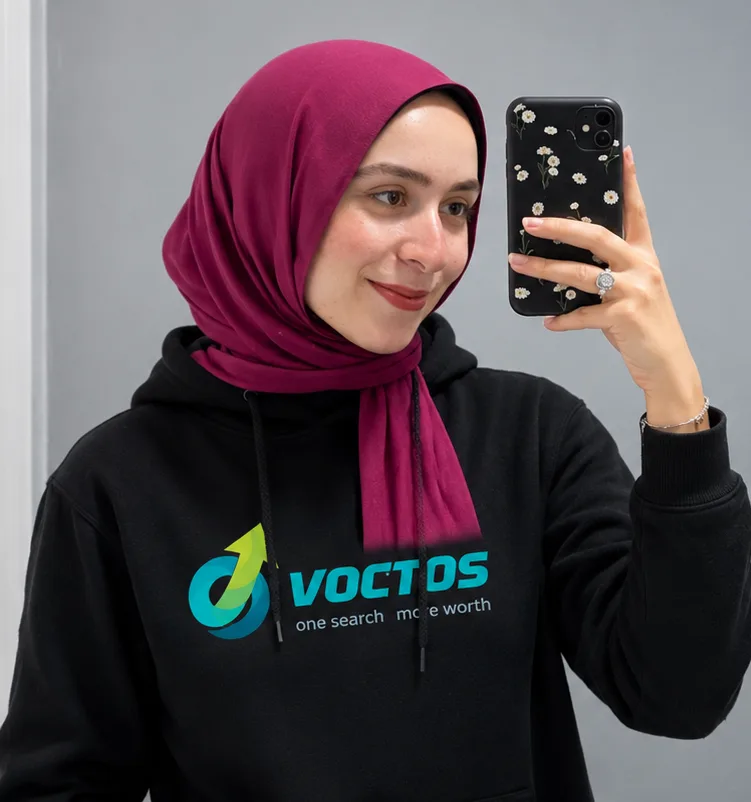 SEO Specialist
Tasneem Moustafa
 Link Building Specialist
Shadi Milad
 SEO Specialist
Aya Kandil
 SEO Content Writer
Marina Magdy

Integrated search marketing: your questions
Integrated search marketing is the practice of planning and running SEO and paid search (SEM) as a single strategy, from one keyword map, one budget and one set of reports. OneSearch is our version of it: the same team researches the keywords, builds the pages and reports on organic and paid results together, so nothing is duplicated and nothing falls between the two.
Because two vendors working apart usually research the same keywords twice, bid on terms you already rank #1 for, and hand you two reports that never quite agree. SEO and SEM integration removes that overlap and leaves you with one honest picture of what produced the lead.
Four things change. You learn which keywords convert in weeks rather than months, because paid search data guides organic priorities almost immediately. You stop buying clicks you already earn for free. Landing pages get tested once and used by both channels. And you get one blended cost per lead instead of two numbers nobody can compare.
Businesses that already invest in both SEO and Google Ads, or plan to, and would rather have one accountable team than two vendors with different targets and no shared data. If you only ever want one channel, or your budget cannot carry both yet, a single service is the more honest recommendation and we will tell you so.
We research keywords and competitors across organic and paid together, then map search intent so each channel takes the funnel stages it is genuinely better at. Content, landing pages and campaigns are planned from that one map, and each month you get a single review covering both channels rather than two.
Usually not. Research, strategy and reporting happen once instead of twice, and paid budget stops going to keywords you already rank for. Most businesses end up spending about the same or slightly less, and getting noticeably more out of it.
We do, within a ceiling you set. Each term is assigned to organic or paid based on what it costs to win and how quickly you need it, and that assignment is reviewed monthly. The alternative, two vendors each defending their own budget line, is how businesses end up bidding on keywords they already rank first for.
A shared negative-keyword list maintained against live ranking data, reviewed every month. Where you hold a strong organic position and the paid click adds nothing, the term comes out of the ad account. On e-commerce accounts this single discipline has produced roughly five million dollars in annualised savings and cut cost per sale by about thirty dollars.
One cost per lead and one cost per sale across both channels, then the split underneath. You also see which channel produced the first touch and which closed it, which is the number that usually changes people’s minds about where the next increment of budget should go.
It is the fastest commercial signal available. Ads tell you within two weeks which phrasings convert, at what cost, and against which competitor, and that evidence reorders the content roadmap immediately. Waiting for organic rankings to teach you the same thing takes a quarter or more.
Only if the overlap is costing you real money, and that is measurable before you commit. The joint audit shows where the two accounts duplicate research, bid against your own rankings, or report conflicting numbers. If the answer is that they are working well together, we will tell you to leave it alone.
Paid social, marketplace advertising and app install campaigns run on different auctions and different intent, so they are quoted separately rather than folded in. OneSearch covers search intent specifically: organic, Google Ads, Bing, and the AI answer surfaces that now sit alongside them.