

llms.txt and AI Crawler Optimization
for AI search visibility
llms.txt is a plain text file that points AI systems to your most important pages. On its own it does little, because most AI crawlers still read your HTML and skip the file. Real visibility comes from correct crawler access rules, crawlable pages, and an llms.txt that lists content worth citing. We handle all three.
Get a free AI crawler access audit-
Set up correctly
A valid llms.txt and llms-full.txt that list the pages you want cited, in the format the spec defines.
-
Access, controlled
robots.txt rules that let AI search bots in and keep training bots out, exactly as you decide.
-
Readable by machines
Clean HTML and fast pages, so AI bots see real text instead of empty script-rendered shells.
-
Measured from logs
We check which AI bots actually fetch your site, so choices rest on real crawl data.
Trusted by


























Why crawler access matters more than the file
AI search now sends real clicks and real citations. That only happens if the systems behind ChatGPT, Perplexity, Google AI Overviews and Gemini can reach and read your pages. Most sites lose ground here not because they lack an llms.txt, but because their access rules or their HTML block the bots that matter.
What our llms.txt and AI crawler service covers
- A valid llms.txt and llms-full.txt built from your real content
- robots.txt rules split between training bots and search agents
- Access checks for GPTBot, ClaudeBot, PerplexityBot, Google-Extended and OAI-SearchBot
- Rendering fixes so AI bots read full text, not empty scripts
- A monthly log review of which AI bots crawled you
- More eligibility for citations across the major AI engines
- Control over what feeds model training versus live AI answers
- Cleaner, faster pages that crawlers and readers both prefer
- Proof of impact from crawl logs, not guesswork

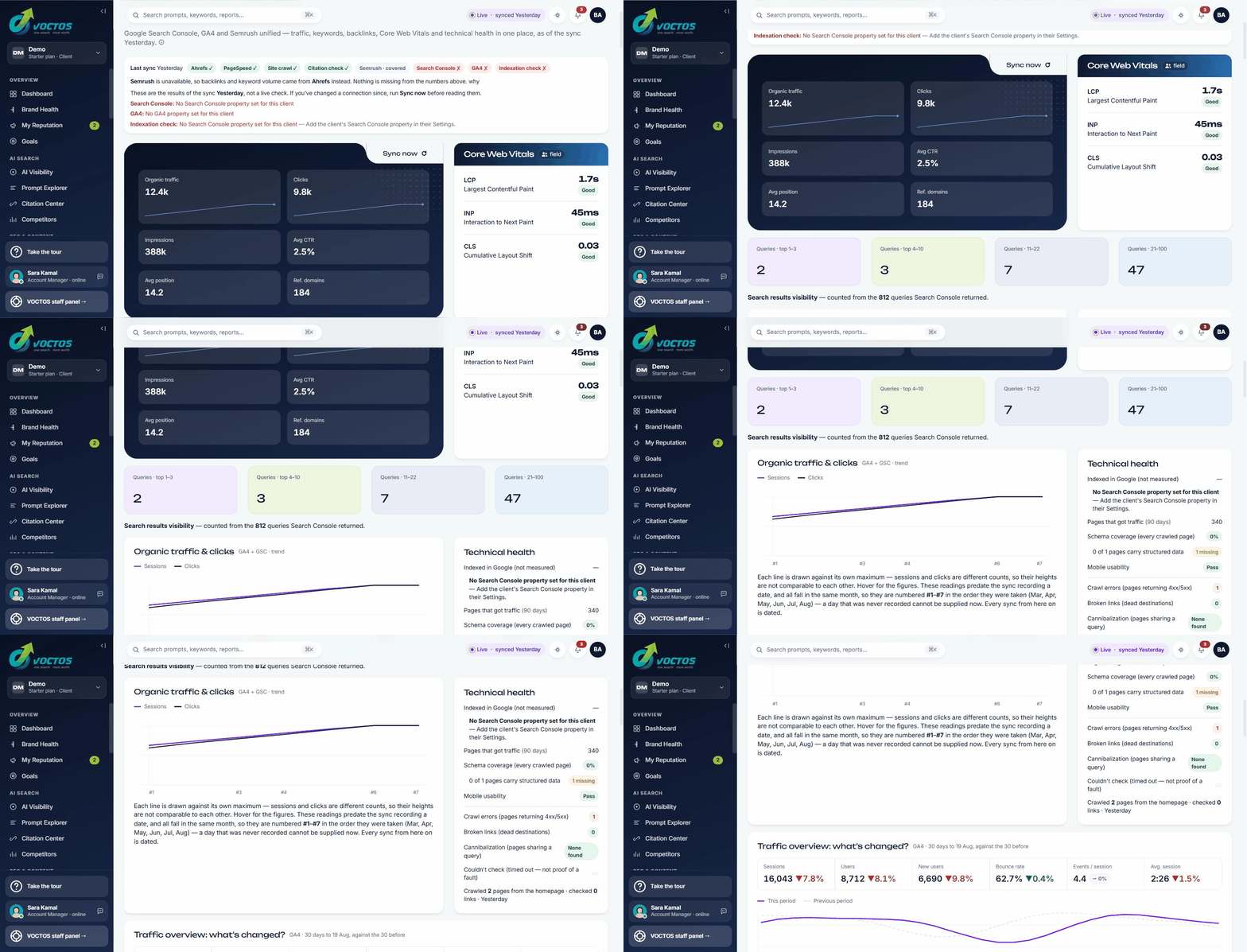
INSIDE THE VOCTOS CLIENT PORTAL
Proof the engines can reach your pages, and proof they used them.
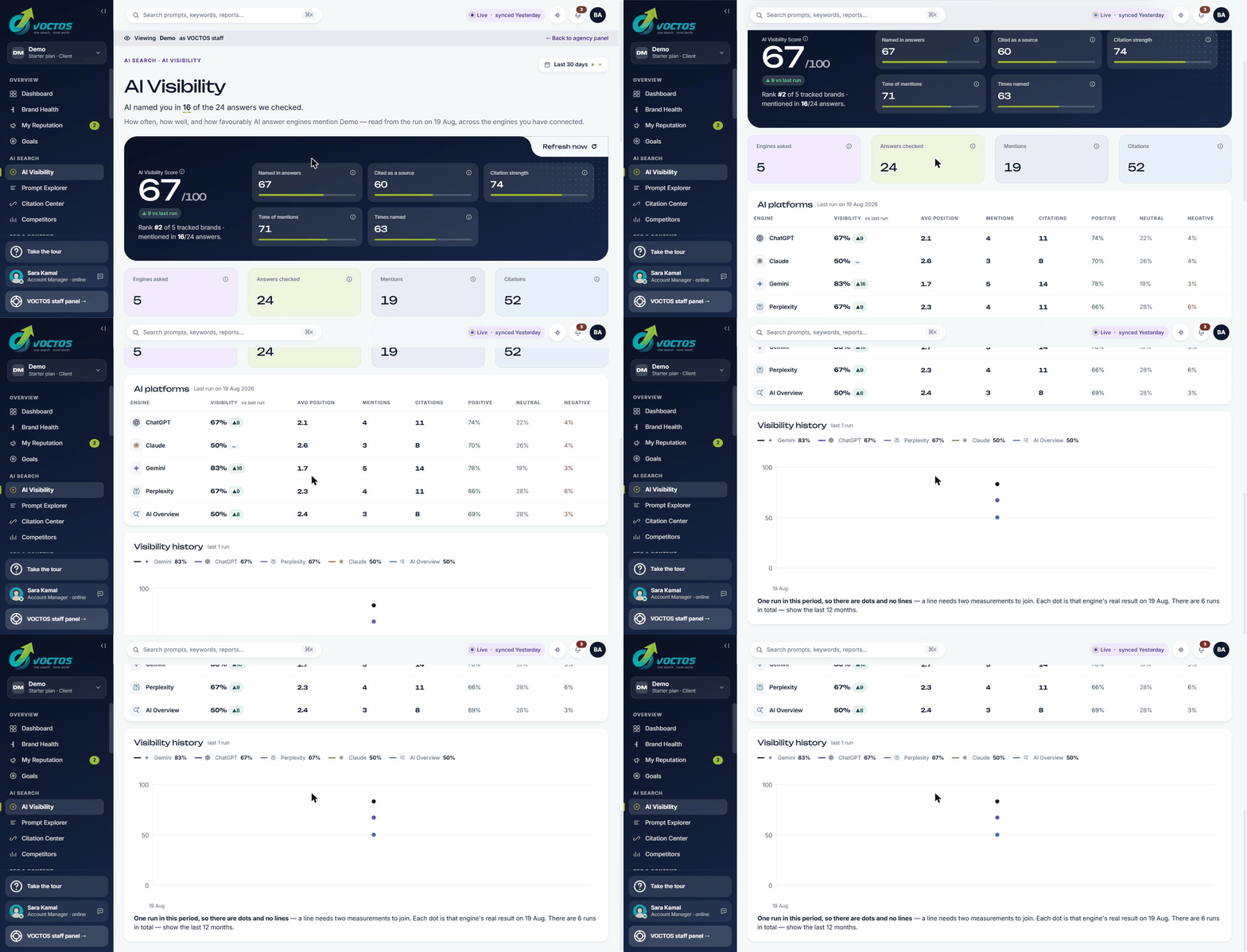
Three screens from the live client portal. Crawler access is only worth doing if something comes of it, so the portal pairs your technical health with the citations the engines actually returned. The screenshots below are live views of a demo workspace. The layout is exactly what you get; the figures inside are demo data.
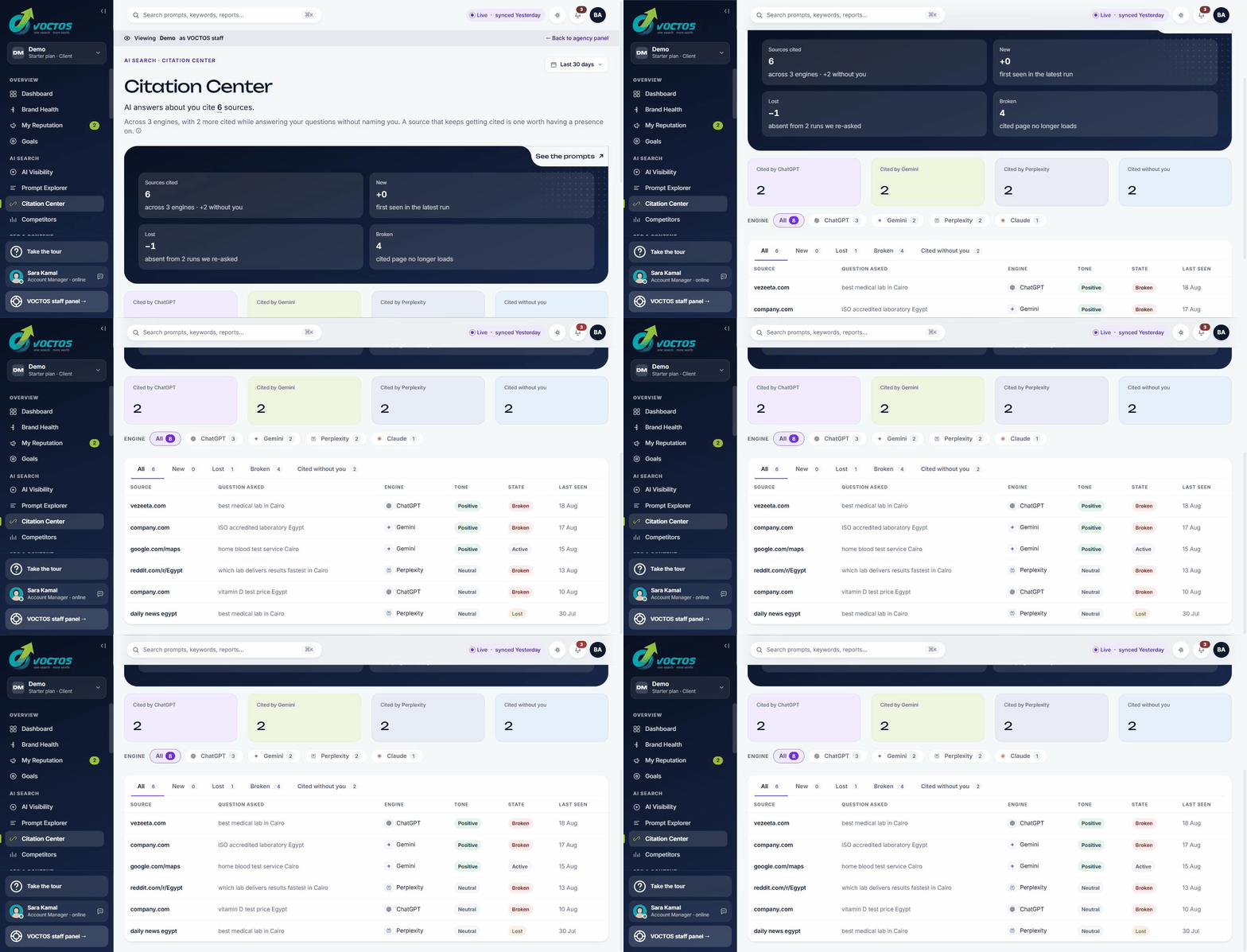
Which of your pages the engines quote, and which pages they quote instead of you. Every citation is logged with the engine, the prompt that triggered it and the URL it pointed to, so you can tell whether the page you invested in is the one being used. When a competitor’s page or a third-party listicle keeps getting cited on your topic, it shows up here first, and it is usually the fastest thing to act on.
llms.txt and AI crawler setup plans
Starter
- llms.txt Setup: file created and configured alongside robots.txt
- Crawlability Audit: rendering and technical access check for your site
- AI Bot Access Check: verification across major AI crawlers for one site
- Performance Reporting: one monthly report
- Strategist Support: shared strategist team with email support
Get one site crawlable and correctly set up for AI.
Growth
- Everything in Starter
- Per-Engine Access Rules: custom rules and testing for each major AI crawler
- Crawler Log Reports: monthly AI crawler activity reporting
- Content Structuring: answer-first formatting for 10-15 priority pages
- Reporting & Strategy: bi-weekly performance report plus a monthly strategy call
Open access to the AI engines that matter and track the bots.
Scale
- Multi-Site Rollout: setup across multiple sites or large domains
- Full-Funnel Crawler Coverage: ChatGPT, Claude, Perplexity, Gemini and more
- Dedicated Strategist: 5-10 hrs/week, 5-business-day priority turnaround
- Ongoing Monitoring: continuous crawler log monitoring and adjustments
- Reporting & Strategy: weekly report plus a weekly call with your strategist
Full setup across many sites or a large domain, reviewed monthly.
Adding an llms.txt file looks like a five-minute task, but making it genuinely useful to AI crawlers means auditing how your whole site is structured, crawled, and rendered first. Skipping that step means the file exists without actually improving anything.
Because every site's crawl setup and technical history are different, we confirm the exact scope of work after auditing your site, so your timeline depends mainly on how quickly you can grant access and approve the recommended changes.
How llms.txt & AI Crawler Optimization Works
We don't just drop a text file on your server, we build the crawler access, structure, and file setup that lets AI systems actually reach and cite your content.
Crawler access audit
We check how ChatGPT, Claude, Perplexity, Gemini and other AI crawlers currently access, render and read your site.
- Robots.txt & bot access audit
- Rendering & JavaScript check
- Crawl log analysis
llms.txt file creation
We build an accurate llms.txt file that lists the pages worth citing, structured the way AI systems expect to read it.
- Priority page selection
- Clean llms.txt structure
- Markdown-ready content links
Crawler access rules setup
We configure per-engine access rules so ChatGPT, Claude, Perplexity, Gemini and other AI bots can actually reach and read your pages.
- Per-engine bot rules
- Robots.txt corrections
- Blocked-resource fixes
Crawlability & rendering fixes
We fix the technical issues, like JavaScript-only content or broken rendering, that stop AI crawlers from reading your pages correctly.
- Rendering fixes
- Site speed & accessibility
- Structured data validation
Content structuring for citation
We format your priority pages so both crawlers and AI models can parse and quote them cleanly.
- Clear page structure
- Answer-first formatting
- Schema markup
Monitoring & continuous optimization
We track how AI crawlers access your site over time and keep refining rules and files as engines change their behavior.
- Crawler log monitoring
- Access rule updates
- Ongoing refinements
The Team
The team Head of SEO and GEO
Beshoy Adel
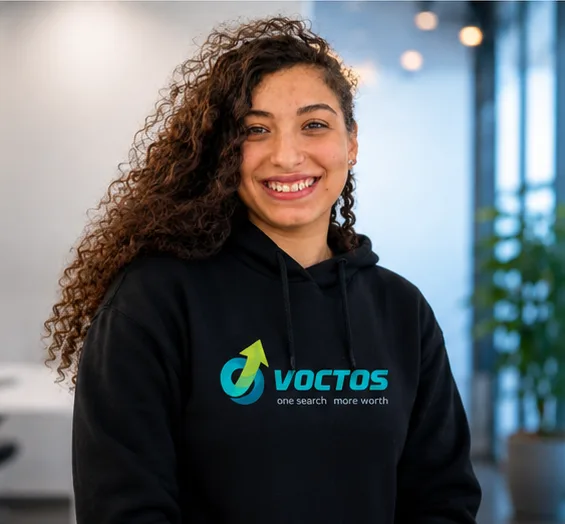 Senior SEO Specialist
Monika Gabriel
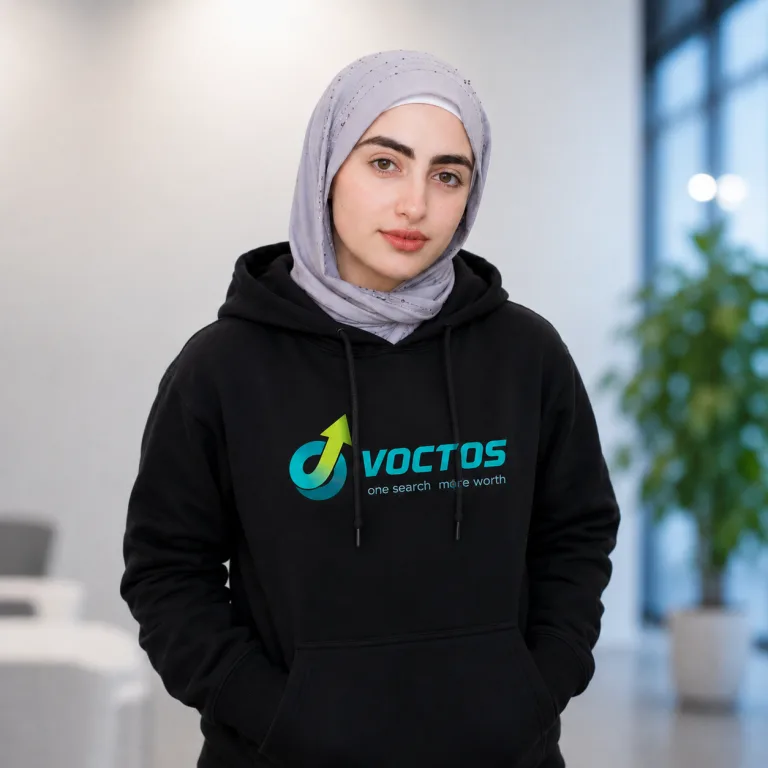 Senior Full-Stack Web Developer
Reem Sameh
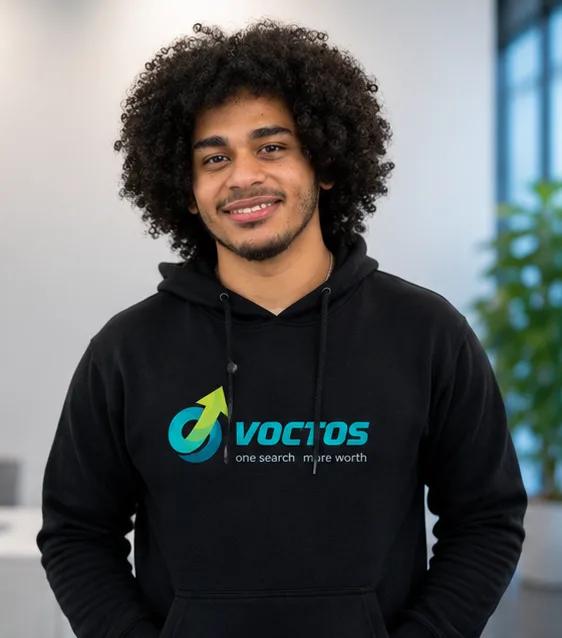 Head of PPC
Keroles Mousa
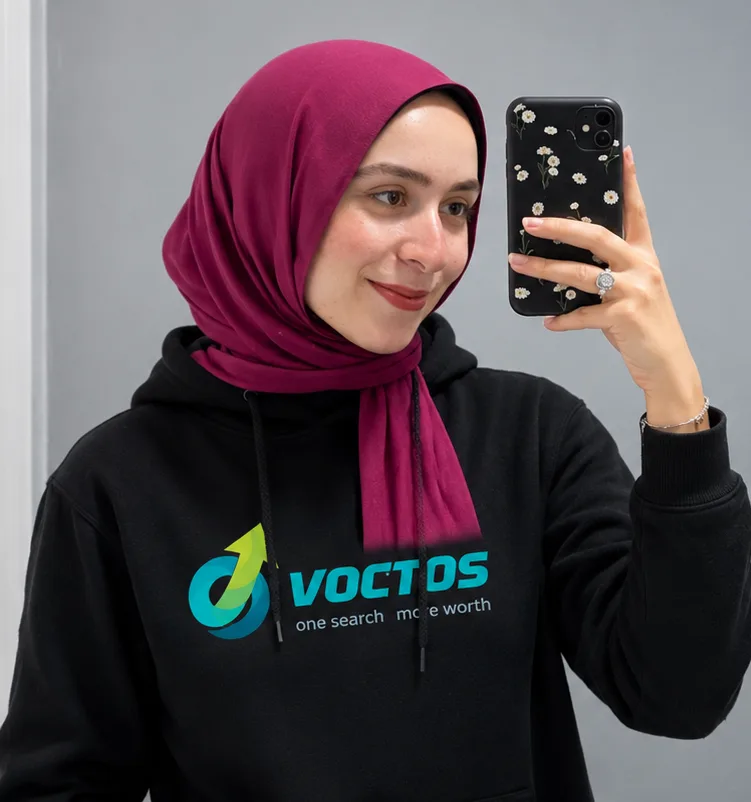 SEO Specialist
Tasneem Moustafa
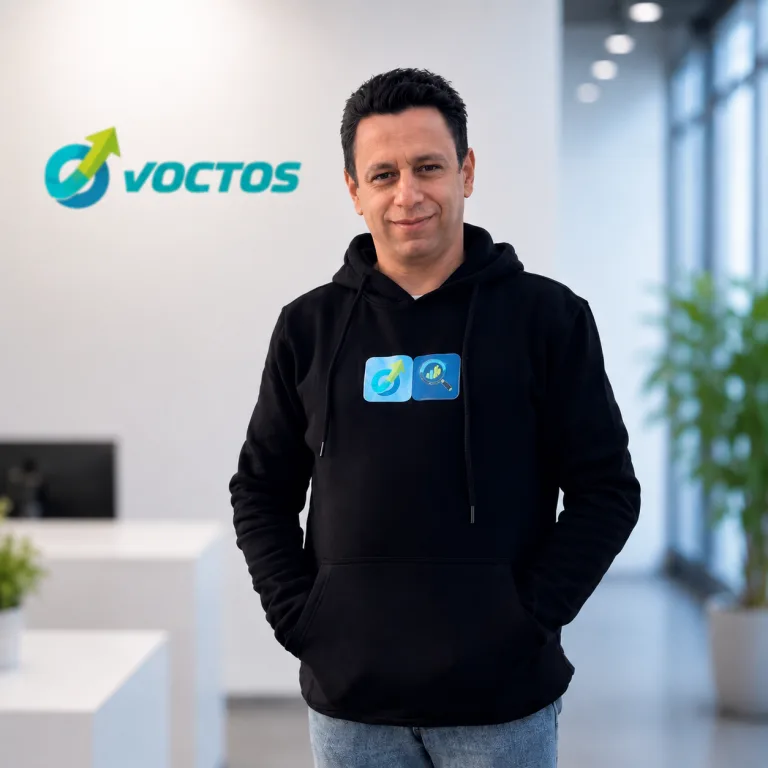 Link Building Specialist
Shadi Milad
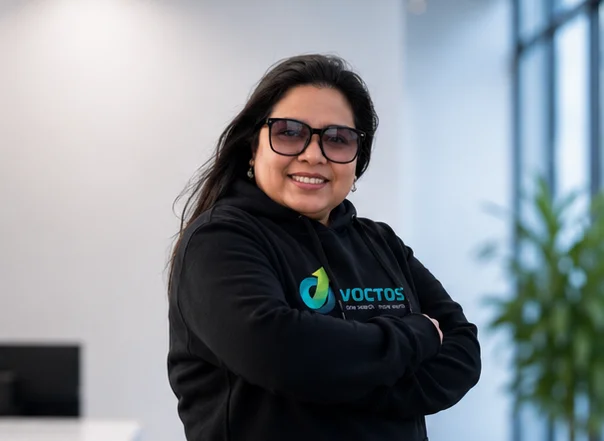 SEO Specialist
Aya Kandil
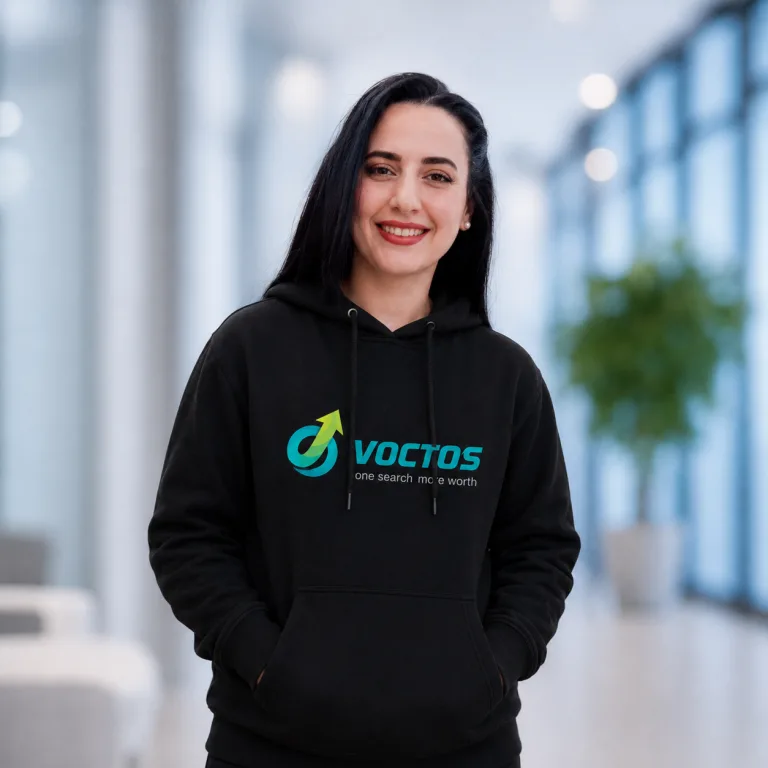 SEO Content Writer
Marina Magdy
Case studies
All case studies
GEO Services for Delta Medical Labs
 GEO
GEO
1M+ monthly organic visits and 159,200 ranked keywords, 3,600 Google AI Overview citations, while ranking #1 for 1,186 keywords in KSA.

SEO & GEO for Ogaei Virtual Care
GEO
From 3 to 7,931 monthly organic clicks in 7 months, 2.9M+ impressions, and 40+ keywords in Google’s Top 10.

Arabic SEO, GEO & guest posting for VPNly
 SEO
SEO
65K peak monthly organic visits, 55 guest posts, and 149 pages cited by AI engines.

SEO for Eduverse
SEO
12x search traffic in 10 months: 45% of target keywords in the top 5, 55% in the top 10
Client reviews
All reviewsegyptpyramidstours.com

Marcous Fathy
Business Development Manager
We've just completed our first quarter with Beshoy, and the results have been outstanding. Our organic traffic grew from 3,650 to 18,720, we achieved a 300%+ ROI from reservations, and secured Featured Snippets for multiple tour packages.
24 September 2023
drserkanaygin.com

Dr. Serkan Aygın
Hair Transplant Surgeon
VOCTOS built an SEO strategy that grew our bookings and expanded our visibility to a whole new audience by 375%, with our keywords in the top search results up more than 1600%. Their understanding of Arabic search behavior made all the difference.
7 December 2021
vpnarabi.com

Samy Amin
Head of Editorial, VPN Arabi
VOCTOS developed and executed a full Arabic SEO strategy for our VPN company. We saw a 280% increase in organic traffic, secured the top spot for competitive keywords, and our content got cited 160 times in ChatGPT responses. What really impressed us was how well they understand the Arabic market, not just generic SEO translated into Arabic.
1 June 2025
Saif Cabinets Decor

Abraam Samy
CEO of Saif Cabinets Decor
When we first came to VOCTOS, our business was almost invisible online despite years of quality work. Their team fixed the technical issues holding us back and built an SEO strategy ready for AI search too. Within months we ranked on Google's first page for over 55 keywords, with organic traffic up around 170%.
4 June 2026
serialtranslation.com

Samy Ibrahim
General Manager of Serial Translation
VOCTOS took over our Google Ads campaigns and brought our CPC down by 53%, while our conversion rate jumped 164.7%, with much higher quality leads coming through. It has been a pleasure working with the entire team.
15 July 2022
royalhaircenter.com

Dr. Mathew John
Senior Surgeon
When we first partnered with VOCTOS, our clinic had just two physicians and one night doctor, with everyone juggling several roles. We've grown a lot since then, today we have three physicians, a full-time secretary, and dedicated cleaning staff, largely thanks to the steady flow of new patients their marketing brought in.
11 August 2021
nsfx.com

Rami Dawud
Marketing Manager
Beshoy is a true SEO professional, punctual, and the quality of his delivery is fantastic. His analysis gave us real insight and a clear path to build our brand's online presence.
1 May 2019
marketingcollege.com

Nahed Maher
Brand Ambassador
SEO is a complicated world, and few people bring the creative techniques Beshoy does. He stays on top of the latest SEO trends and genuinely cares about getting his clients the most value.
16 October 2016
nrg-digital.com

Ahmed Sabbour
CEO
It's been a real pleasure working with Beshoy. He's innovative, broad-minded, and has a great ability to analyze, summarize, and deliver strong results, even working remotely.
16 October 2016
vintage-vaults.com

Sherif El-Haddad
Founder / CEO
Beshoy has done a great job increasing our SEO ranking. He's also helped boost our conversions and improve the website.
7 December 2023
Blog
All posts
Frequently Asked Questions
robots.txt tells crawlers where they’re allowed to go; llms.txt tells them what’s worth reading once they’re there. One is a gatekeeper, the other is a curated map. You need both working together, not one instead of the other.
No. A sitemap lists every indexable URL for search engines; llms.txt is a short, hand-picked list of your best pages written for language models. They serve different audiences, and neither one makes the other unnecessary.
llms.txt is a short index with links and one-line summaries. llms-full.txt goes further and includes the actual page content in Markdown, so a model can read everything in one file instead of following links.
Not directly. Google hasn’t said it uses llms.txt for ranking or AI Overviews. The pages that get cited are the ones Googlebot can already crawl and understand, so your ranking work should focus there first.
Not necessarily. OpenAI uses a separate agent, OAI-SearchBot, for search and citations. Blocking GPTBot only affects training data; it doesn’t automatically remove you from ChatGPT’s live answers.
There’s no fixed timeline. It depends on how often each bot recrawls your site and how well your content already matches the way people phrase questions to AI tools. We track it through log data rather than promising a date.