

إعداد llms.txt وتهيئة موقعك لزواحف الذكاء الاصطناعي
للظهور في البحث بالذكاء الاصطناعي
يوجّه ملف llms.txt، وهو ملف نصي بسيط، أنظمة الذكاء الاصطناعي إلى أهم صفحاتك. لكنه وحده لا يفعل الكثير، لأن معظم زواحف الذكاء الاصطناعي لا تزال تقرأ كود HTML في موقعك وتتجاهل الملف. فالظهور الحقيقي يأتي من قواعد وصول صحيحة للزواحف، وصفحات قابلة للزحف، وملف llms.txt يدرج محتوى يستحق الاستشهاد به. ونتولى الأمور الثلاثة كلها.
اطلب فحصًا مجانيًا لوصول زواحف الذكاء الاصطناعي-
إعداد صحيح
ملفا llms.txt وllms-full.txt صالحان يدرجان الصفحات التي تريد أن يُستشهد بها، بالصيغة التي تحددها المواصفة.
-
وصول تحت السيطرة
قواعد robots.txt تسمح لروبوتات البحث بالذكاء الاصطناعي بالدخول وتمنع روبوتات التدريب، وفق ما تقرره أنت تمامًا.
-
قابلة لقراءة الآلة
كود HTML نظيف وصفحات سريعة، لترى روبوتات الذكاء الاصطناعي نصًا حقيقيًا بدلًا من هياكل فارغة تُعرض بالسكربتات.
-
قياس من السجلات
نتحقق من روبوتات الذكاء الاصطناعي التي تجلب موقعك فعلًا، لتستند القرارات إلى بيانات زحف حقيقية.
شركات تثق بنا




































لماذا يهم وصول الزواحف أكثر من الملف
أصبح البحث بالذكاء الاصطناعي يرسل نقرات واستشهادات حقيقية. لكن ذلك لا يحدث إلا إذا استطاعت الأنظمة التي تقف خلف ChatGPT وPerplexity وGoogle AI Overviews وGemini الوصول إلى صفحاتك وقراءتها. ومعظم المواقع تخسر هنا لا لأنها تفتقر إلى llms.txt، بل لأن قواعد الوصول أو HTML لديها تحجب الروبوتات المهمة.
ما الذي تغطيه خدمة llms.txt وزواحف الذكاء الاصطناعي لدينا
- ملفا llms.txt وllms-full.txt صالحان مبنيان من محتواك الفعلي
- قواعد robots.txt تفصل بين روبوتات التدريب ووكلاء البحث
- فحوصات الوصول لـ GPTBot وClaudeBot وPerplexityBot وGoogle-Extended وOAI-SearchBot
- إصلاحات العرض لتقرأ روبوتات الذكاء الاصطناعي النص كاملًا لا سكربتات فارغة
- مراجعة شهرية للسجلات تبيّن روبوتات الذكاء الاصطناعي التي زحفت إلى موقعك
- أهلية أكبر للاستشهاد عبر محركات الذكاء الاصطناعي الرئيسية
- تحكّم فيما يغذّي تدريب النماذج مقابل إجابات الذكاء الاصطناعي المباشرة
- صفحات أنظف وأسرع تفضّلها الزواحف والقراء على حد سواء
- إثبات للأثر من سجلات الزحف، لا من التخمين

جولة داخل بوابة عملاء VOCTOS
دليل على أن المحركات تصل إلى صفحاتك، ودليل على أنها استخدمتها.
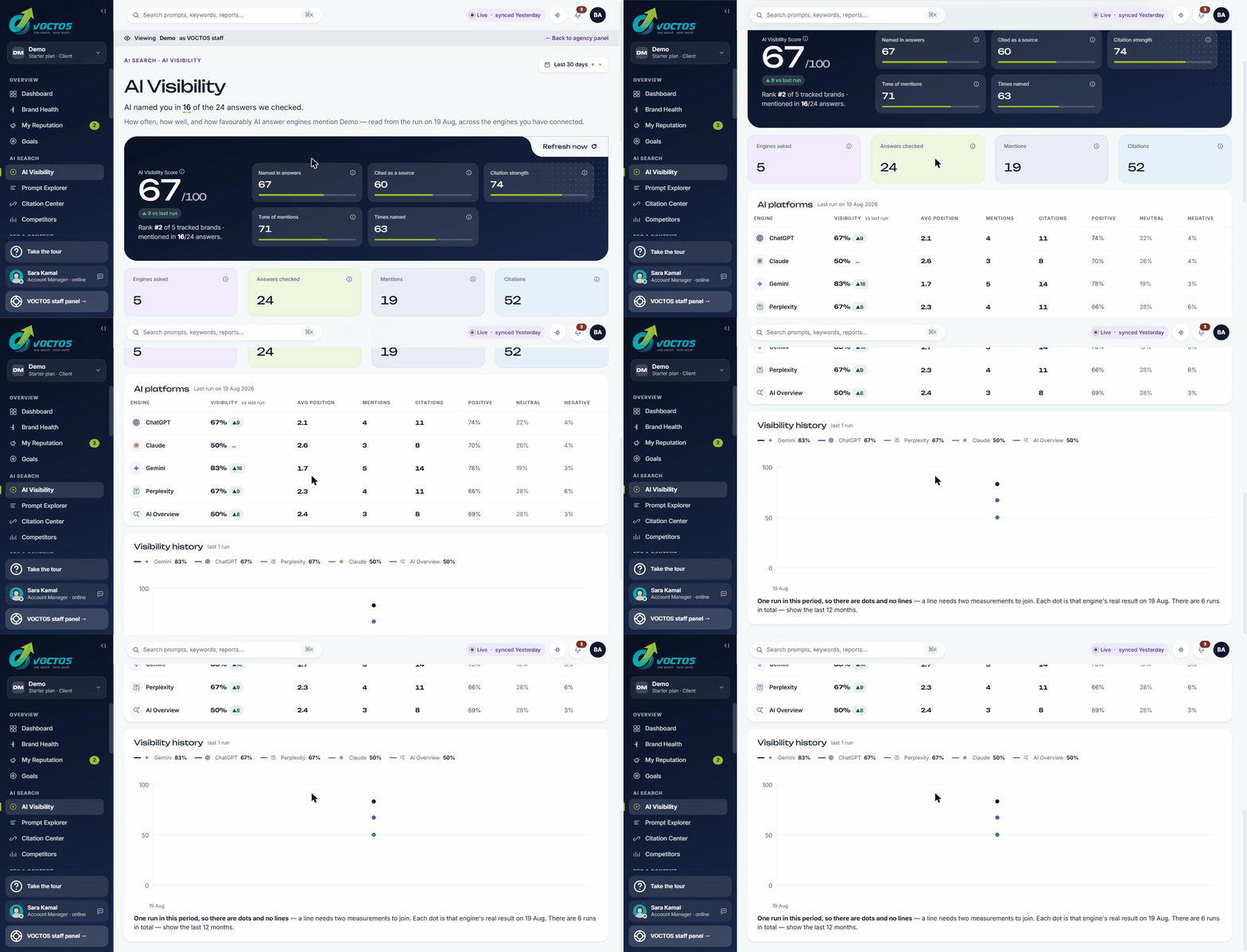
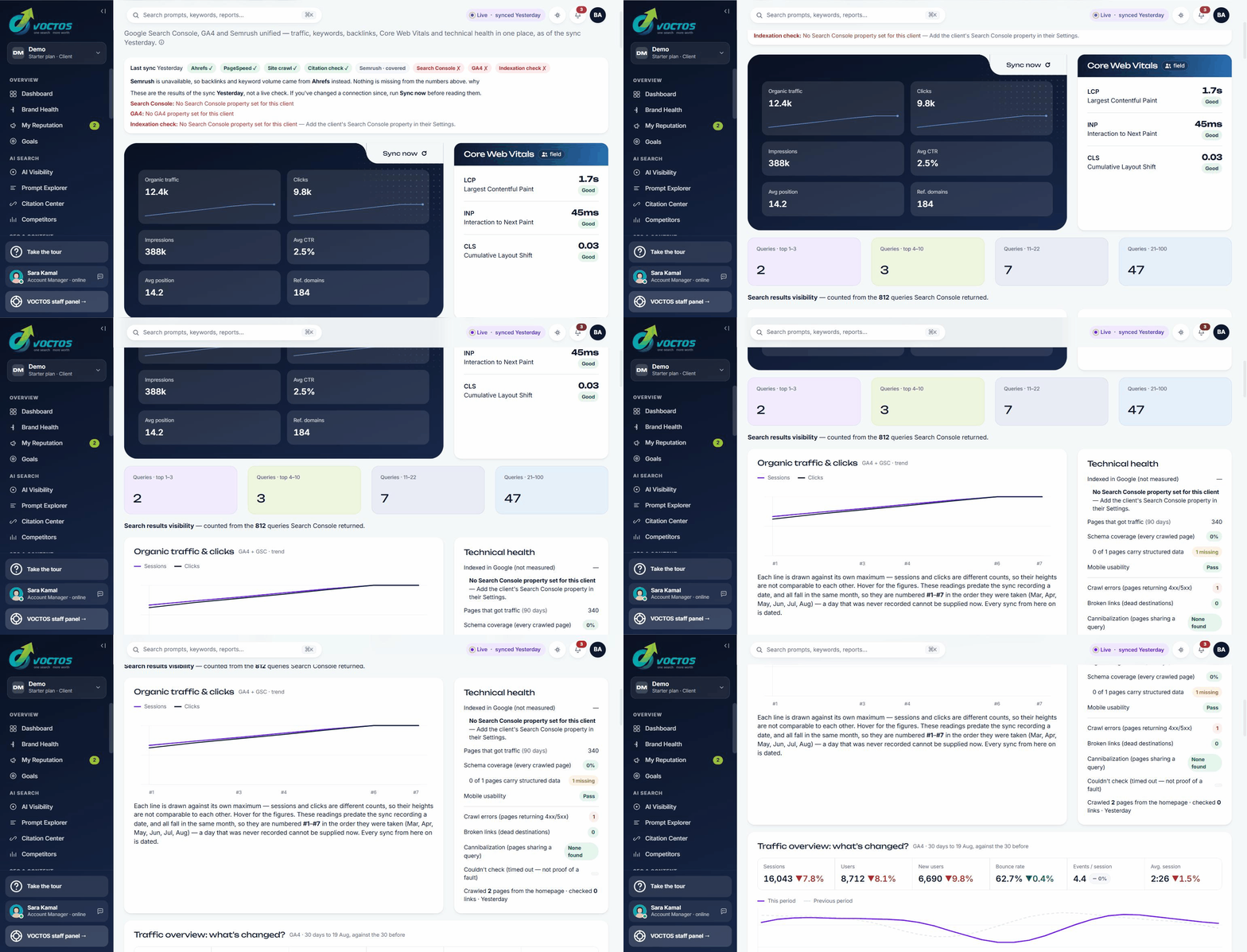
ثلاث شاشات من بوابة العملاء المباشرة. لا قيمة للعمل على وصول الزواحف ما لم يُثمر شيئًا، لذا تجمع البوابة بين الصحة التقنية لموقعك والاستشهادات التي أعادتها المحركات فعلًا. لقطات الشاشة أدناه عروض حية لمساحة عمل تجريبية. التخطيط هو بالضبط ما ستحصل عليه، أما الأرقام الواردة فيها فبيانات تجريبية.
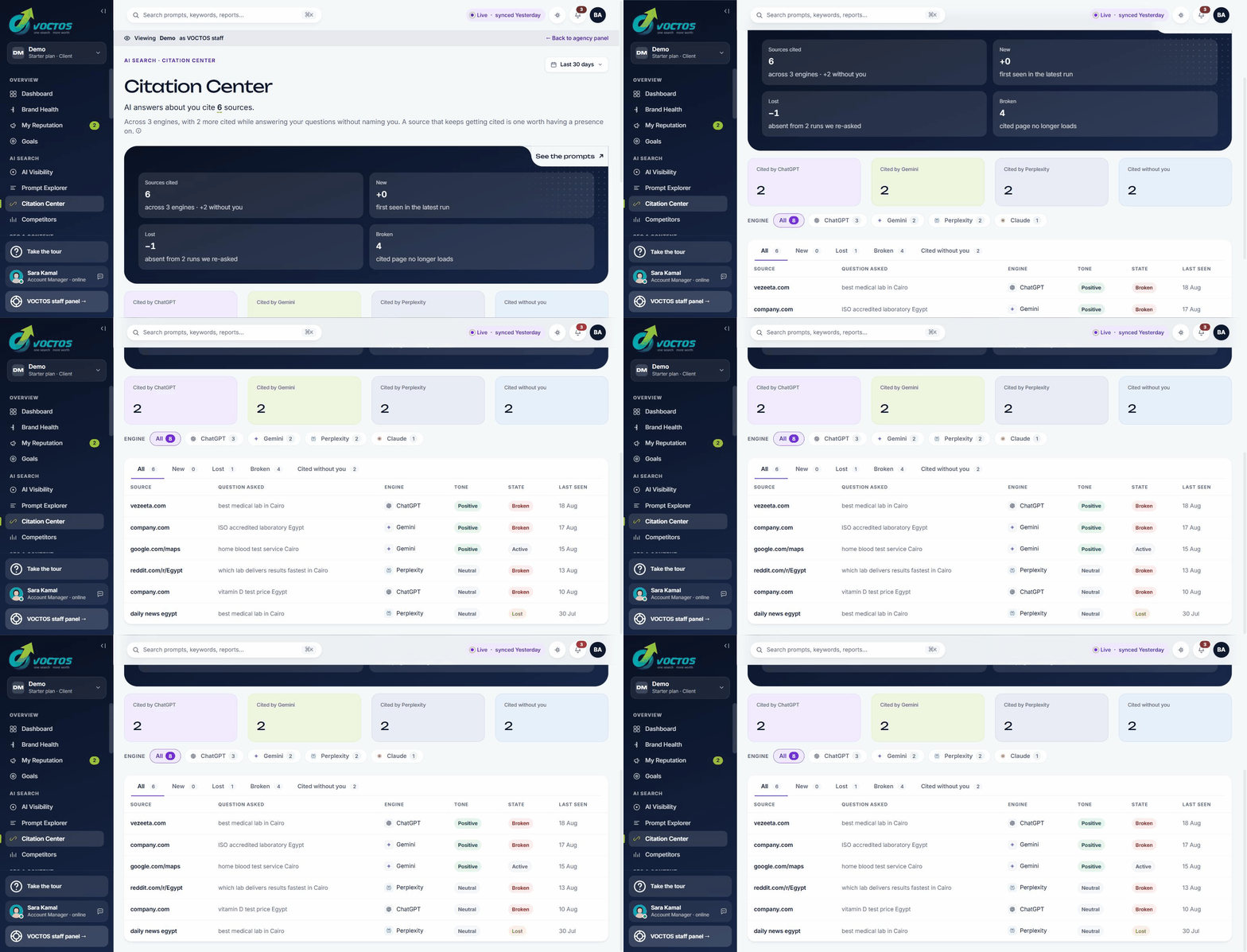
أي صفحاتك تستشهد بها المحركات، وأي الصفحات تستشهد بها بدلًا منك. يُسجَّل كل استشهاد مع المحرك والسؤال الذي استدعاه والرابط الذي أشار إليه، فتعرف إن كانت الصفحة التي استثمرت فيها هي المستخدمة فعلًا. وحين يتكرر الاستشهاد بصفحة منافس أو بمقال قائمة من طرف ثالث في موضوعك، يظهر ذلك هنا أولًا، وعادةً ما يكون أسرع ما يمكنك التحرك بشأنه.
باقات إعداد llms.txt وزواحف الذكاء الاصطناعي
الأساسية
- إعداد llms.txt: إنشاء الملف وضبطه بالتوازي مع robots.txt
- تدقيق قابلية الزحف: فحص العرض والوصول التقني لموقعك
- فحص وصول روبوتات الذكاء الاصطناعي: التحقق عبر زواحف الذكاء الاصطناعي الرئيسية لموقع واحد
- تقارير الأداء: تقرير شهري واحد
- الدعم الاستراتيجي: فريق استراتيجيين مشترك مع دعم عبر البريد الإلكتروني
اجعل موقعًا واحدًا قابلًا للزحف ومهيأً تهيئةً صحيحة للذكاء الاصطناعي.
نمو
- كل ما في الباقة الأساسية
- قواعد وصول لكل محرك: قواعد مخصصة واختبار لكل زاحف ذكاء اصطناعي رئيسي
- تقارير سجلات الزواحف: تقارير شهرية عن نشاط زواحف الذكاء الاصطناعي
- هيكلة المحتوى: تنسيق بأسلوب الإجابة أولًا لـ 10 إلى 15 صفحة ذات أولوية
- التقارير والاستراتيجية: تقرير أداء كل أسبوعين إضافةً إلى مكالمة استراتيجية شهرية
افتح الوصول لمحركات الذكاء الاصطناعي المهمة وتتبّع الروبوتات.
التوسّع
- التطبيق على مواقع متعددة: إعداد عبر عدة مواقع أو نطاقات كبيرة
- تغطية شاملة للزواحف: ChatGPT وClaude وPerplexity وGemini وغيرها
- استراتيجي مخصص: من 5 إلى 10 ساعات أسبوعيًا، وتنفيذ ذو أولوية خلال 5 أيام عمل
- مراقبة مستمرة: متابعة دائمة لسجلات الزواحف مع التعديلات اللازمة
- التقارير والاستراتيجية: تقرير أسبوعي إضافةً إلى مكالمة أسبوعية مع الاستراتيجي المسؤول عنك
إعداد كامل عبر مواقع عديدة أو نطاق كبير، مع مراجعة شهرية.
تبدو إضافة ملف llms.txt مهمة لا تتجاوز خمس دقائق، لكن جعله مفيدًا فعلًا لزواحف الذكاء الاصطناعي يتطلب أولًا تدقيق بنية موقعك كله وطريقة الزحف إليه وعرضه. وتجاوز هذه الخطوة يعني أن الملف موجود دون أن يحسّن شيئًا.
لأن إعدادات الزحف والتاريخ التقني يختلفان من موقع لآخر، نؤكد النطاق الدقيق للعمل بعد تدقيق موقعك، لذا يعتمد جدولك الزمني أساسًا على سرعة منحك الصلاحيات واعتمادك للتغييرات الموصى بها.
كيف نعمل على llms.txt وتهيئة موقعك لزواحف الذكاء الاصطناعي
لا نكتفي بوضع ملف نصي على خادمك، بل نبني منظومة الوصول والهيكلة وإعداد الملفات التي تتيح لأنظمة الذكاء الاصطناعي الوصول إلى محتواك والاستشهاد به فعلًا.
تدقيق وصول الزواحف
نفحص كيف تصل زواحف ChatGPT وClaude وPerplexity وGemini وغيرها حاليًا إلى موقعك وتعرضه وتقرؤه.
- تدقيق robots.txt ووصول الروبوتات
- فحص العرض وJavaScript
- تحليل سجلات الزحف
إنشاء ملف llms.txt
نبني ملف llms.txt دقيقًا يدرج الصفحات الجديرة بالاستشهاد، بالهيكلة التي تتوقعها أنظمة الذكاء الاصطناعي.
- اختيار الصفحات ذات الأولوية
- هيكلة نظيفة لملف llms.txt
- روابط محتوى جاهزة بصيغة Markdown
إعداد قواعد وصول الزواحف
نضبط قواعد وصول لكل محرك لتتمكن روبوتات ChatGPT وClaude وPerplexity وGemini وغيرها من الوصول إلى صفحاتك وقراءتها فعلًا.
- قواعد روبوتات لكل محرك
- تصحيحات robots.txt
- إصلاح الموارد المحظورة
إصلاحات قابلية الزحف والعرض
نصلح المشكلات التقنية، مثل المحتوى المعتمد على JavaScript وحده أو العرض المعطوب، التي تمنع زواحف الذكاء الاصطناعي من قراءة صفحاتك قراءةً صحيحة.
- إصلاحات العرض
- سرعة الموقع وسهولة الوصول
- التحقق من البيانات المنظمة
هيكلة المحتوى للاستشهاد
ننسّق صفحاتك ذات الأولوية بحيث تستطيع الزواحف ونماذج الذكاء الاصطناعي تحليلها والاستشهاد بها بوضوح.
- هيكلة واضحة للصفحة
- تنسيق بأسلوب الإجابة أولًا
- ترميز Schema
المراقبة والتحسين المستمر
نتتبّع كيف تصل زواحف الذكاء الاصطناعي إلى موقعك بمرور الوقت، ونواصل تحسين القواعد والملفات مع تغيّر سلوك المحركات.
- مراقبة سجلات الزواحف
- تحديث قواعد الوصول
- تحسينات مستمرة
الفريق
الفريق رئيس قسم SEO وGEO
بيشوي عادل
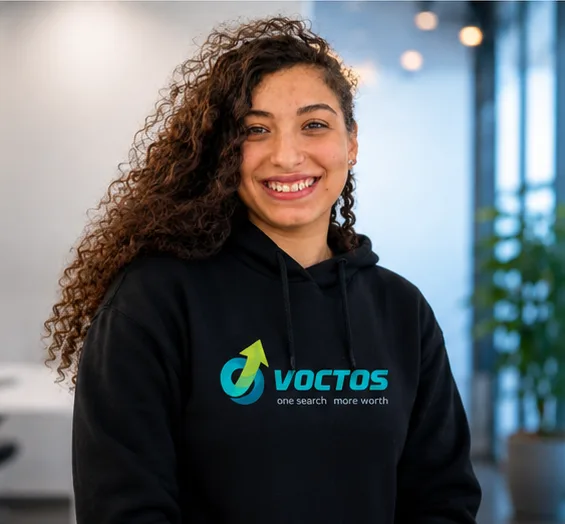 أخصائية SEO أولى
مونيكا جبرائيل
 مطورة ويب أولى (Full-Stack)
ريم سامح
 رئيس قسم الإعلانات المدفوعة (PPC)
كيرلس موسى
 أخصائية SEO
تسنيم مصطفى
 أخصائي بناء الروابط
شادي ميلاد
 أخصائية SEO
آية قنديل
 كاتبة محتوى SEO
مارينا مجدي
دراسات الحالة
كل دراسات الحالة
خدمات GEO لـ Delta Medical Labs
 GEO
GEO
أكثر من مليون زيارة عضوية و 159,200 كلمة مفتاحية في الترتيب, 3,600 استشهاد في Google AI Overviews، مع المركز الأول لـ 1,186 كلمة مفتاحية في السعودية.

SEO وGEO لـ Ogaei Virtual Care
GEO
من 3 إلى 7,931 نقرة عضوية شهريًا خلال 7 أشهر، أكثر من 2.9 مليون ظهور، و أكثر من 40 كلمة مفتاحية في أفضل 10 نتائج على Google.

SEO عربي وGEO ومقالات ضيفة لـ VPNly
 SEO
SEO
65 ألف زيارة عضوية شهرية في الذروة، 55 مقالًا ضيفًا، و 149 صفحة يستشهد بها الذكاء الاصطناعي.

SEO لـ Eduverse
SEO
زيادة زيارات البحث 12 ضعفًا خلال 10 أشهر: 45% من الكلمات المستهدفة في أفضل 5 نتائج، 55% في أفضل 10 نتائج
آراء العملاء
كل الآراءegyptpyramidstours.com

مرقس فتحي
مدير تطوير الأعمال
أتممنا للتو الربع الأول من عملنا مع بيشوي، وكانت النتائج استثنائية. ارتفعت زياراتنا العضوية من 3,650 إلى 18,720، وحققنا عائدًا على الاستثمار يتجاوز 300% من الحجوزات، وحصلنا على المقتطفات المميزة (Featured Snippets) لعدد من باقات الرحلات.
24 سبتمبر 2023
drserkanaygin.com

د. سركان آيغين
جرّاح زراعة الشعر
بنت VOCTOS استراتيجية SEO رفعت حجوزاتنا ووسّعت ظهورنا أمام جمهور جديد كليًا بنسبة 375%، مع زيادة عدد كلماتنا المفتاحية في أعلى نتائج البحث بأكثر من 1600%. وكان لفهمهم سلوكَ البحث العربي الأثرُ الحاسم.
7 ديسمبر 2021
vpnarabi.com

سامي أمين
رئيس التحرير، VPN Arabi
طوّرت VOCTOS استراتيجية SEO عربية متكاملة لشركتنا في مجال VPN ونفذتها. شهدنا زيادة بنسبة 280% في الزيارات العضوية، وتصدّرنا كلمات مفتاحية شديدة المنافسة، واستُشهد بمحتوانا 160 مرة في إجابات ChatGPT. وأكثر ما أبهرنا هو فهمهم العميق للسوق العربية، لا مجرد SEO عام مترجَم إلى العربية.
1 يونيو 2025
Saif Cabinets Decor

أبرام سامي
الرئيس التنفيذي لشركة Saif Cabinets Decor
عندما لجأنا إلى VOCTOS أول مرة، كان نشاطنا شبه غائب عن الإنترنت رغم سنوات من العمل المتقن. أصلح فريقهم المشكلات التقنية التي كانت تعيقنا، وبنى استراتيجية SEO جاهزة للبحث بالذكاء الاصطناعي أيضًا. وخلال أشهر ظهرنا في الصفحة الأولى على Google لأكثر من 55 كلمة مفتاحية، مع نمو الزيارات العضوية بنحو 170%.
4 يونيو 2026
serialtranslation.com

سامي إبراهيم
المدير العام لشركة سيريال للترجمة
تولّت VOCTOS إدارة حملاتنا على Google Ads، فخفّضت تكلفة النقرة بنسبة 53%، بينما قفز معدل التحويل بنسبة 164.7%، مع عملاء محتملين أعلى جودة بكثير. كان العمل مع الفريق بأكمله تجربة ممتعة.
15 يوليو 2022
royalhaircenter.com

د. ماثيو جون
جرّاح أول
عندما بدأنا الشراكة مع VOCTOS، كانت عيادتنا تضم طبيبين فقط وطبيبًا للفترة الليلية، وكان كل منا يؤدي أدوارًا متعددة. لقد نمونا كثيرًا منذ ذلك الحين؛ فاليوم لدينا ثلاثة أطباء، وسكرتيرة بدوام كامل، وفريق نظافة مخصص، ويعود الفضل في ذلك إلى حد كبير إلى التدفق المستمر للمرضى الجدد الذي حققه تسويقهم.
11 أغسطس 2021
nsfx.com

رامي داود
مدير التسويق
بيشوي محترف SEO حقيقي، ملتزم بالمواعيد، وجودة عمله رائعة. منحتنا تحليلاته فهمًا أعمق ومسارًا واضحًا لبناء حضور علامتنا التجارية على الإنترنت.
1 مايو 2019
marketingcollege.com

ناهد ماهر
سفيرة العلامة التجارية
عالم SEO معقد، وقليلون هم من يمتلكون الأساليب الإبداعية التي يقدمها بيشوي. فهو يواكب أحدث توجهات SEO، ويحرص بصدق على أن يحصل عملاؤه على أقصى قيمة ممكنة.
16 أكتوبر 2016
nrg-digital.com

أحمد صبور
الرئيس التنفيذي
كان العمل مع بيشوي متعة حقيقية. فهو مبتكر، واسع الأفق، ويتمتع بقدرة كبيرة على التحليل والتلخيص وتحقيق نتائج قوية، حتى عند العمل عن بُعد.
16 أكتوبر 2016
vintage-vaults.com

شريف الحداد
المؤسس / الرئيس التنفيذي
قدّم بيشوي عملًا رائعًا في تحسين ترتيبنا في محركات البحث، كما ساعد في زيادة التحويلات وتحسين الموقع.
7 ديسمبر 2023
المدونة
كل المقالات
الأسئلة الشائعة
يخبر robots.txt الزواحف بالأماكن المسموح لها بدخولها، ويخبرها llms.txt بما يستحق القراءة بعد دخولها. الأول حارس بوابة، والثاني خريطة منتقاة. وتحتاج إلى الاثنين معًا، لا أحدهما بدلًا من الآخر.
لا. خريطة الموقع تدرج كل رابط قابل للفهرسة لمحركات البحث، أما llms.txt فقائمة قصيرة منتقاة يدويًا لأفضل صفحاتك مكتوبة لنماذج اللغة. ولكلٍّ منهما جمهور مختلف، ولا يغني أحدهما عن الآخر.
ملف llms.txt فهرس قصير يضم روابط وملخصات من سطر واحد. أما llms-full.txt فيذهب أبعد ويتضمن محتوى الصفحات الفعلي بصيغة Markdown، ليقرأ النموذج كل شيء في ملف واحد بدلًا من تتبّع الروابط.
ليس مباشرةً. لم تصرّح Google بأنها تستخدم llms.txt في الترتيب أو في AI Overviews. فالصفحات التي يُستشهد بها هي التي يستطيع Googlebot الزحف إليها وفهمها أصلًا، لذا ينبغي أن يتركز عملك على الترتيب هناك أولًا.
ليس بالضرورة. تستخدم OpenAI وكيلًا منفصلًا هو OAI-SearchBot للبحث والاستشهادات. وحظر GPTBot يؤثر في بيانات التدريب فقط، ولا يُخرجك تلقائيًا من إجابات ChatGPT المباشرة.
لا يوجد جدول زمني ثابت. فذلك يعتمد على وتيرة إعادة زحف كل روبوت إلى موقعك، ومدى تطابق محتواك أصلًا مع طريقة صياغة الناس لأسئلتهم لأدوات الذكاء الاصطناعي. ونتتبّع ذلك من بيانات السجلات بدلًا من الوعد بموعد.