
10 Ways to Get Website Traffic for Free

Key takeaways
- Free traffic replaces ad budget with time and consistency, so the earlier you start, the sooner it compounds.
- Organic search (SEO) and content marketing are the highest-leverage channels because they keep delivering visitors long after publishing.
- Diversify across search, video, social, and community platforms so a single algorithm change never wipes out your traffic.
- Being cited by AI answer engines like ChatGPT, Gemini, and Perplexity is the newest free channel, and structured, quotable content wins it.
- Track what works with analytics and a periodic SEO audit, then double down on the pages and formats that convert.
Attracting visitors is one of the first jobs any website owner faces, and it is never a one-and-done task. Traffic does not keep flowing because you did some work once; it flows because you keep showing up where your audience already spends time. The good news is that a steady stream of visitors does not require a media budget. Below are ten proven ways to earn traffic for free, ordered roughly from the highest long-term leverage to quick, practical wins.
1. Search engine optimization (organic search)
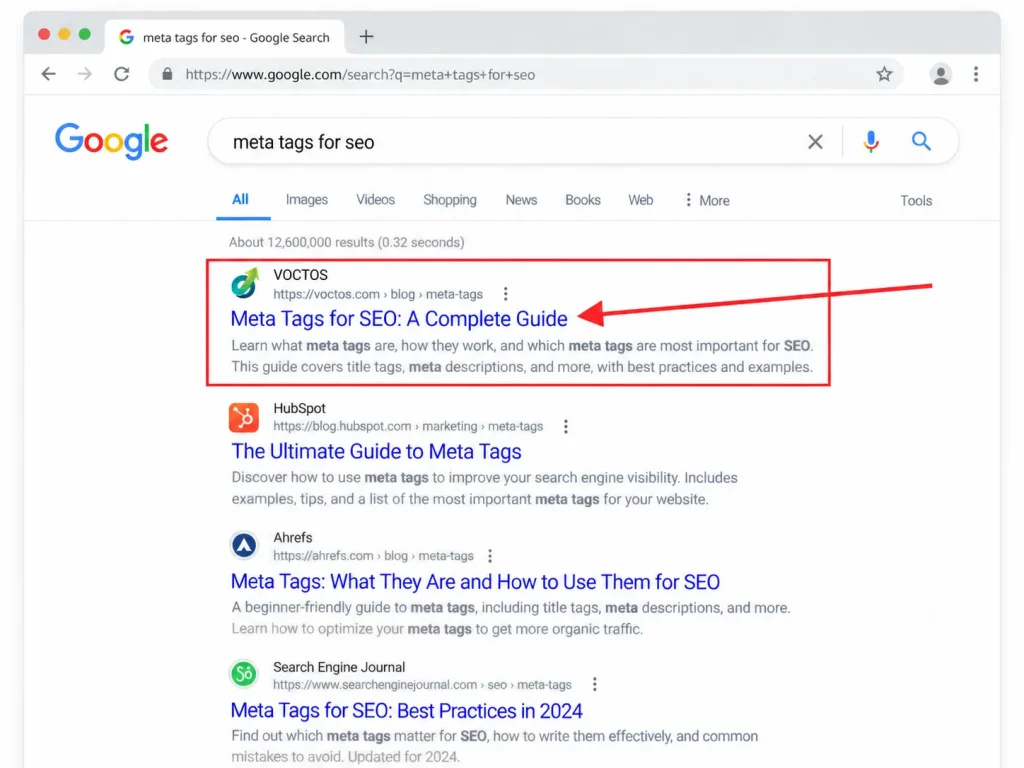
SEO remains one of the most effective ways to earn traffic from Google and other search engines, and the clicks are completely free. The principle is simple: understand what your audience types into search, then create pages that answer those queries better than the current results. Start with keyword research to find terms with real demand and realistic competition, then map each keyword to a dedicated page. Optimize titles, meta descriptions, headings, and internal links, and make sure your site loads fast and works on mobile. Because organic rankings compound, a page that reaches the top of search can deliver visitors for years. If you want a faster path to results, professional SEO services can shortcut the technical and strategic learning curve.
2. Content marketing and regular publishing
From a search perspective, content is the foundation of everything. Publishing high-quality, original content and refreshing it regularly does two things at once: it builds loyalty with the audience you have already won, who return to see what is new, and it signals freshness to search engines, which reward sites that stay current. Build an editorial calendar around the questions your customers actually ask, cover topics in clusters rather than one-off posts, and revisit older articles to update statistics, examples, and links. A disciplined content marketing program is what turns SEO from a one-time push into a durable growth engine.
3. Google Business Profile and local search
If your business serves a city, region, or specific service area, a free Google Business Profile is one of the fastest ways to appear in front of nearby buyers. A complete, verified profile can surface in Google Maps and the local pack above traditional organic results. Fill in every field: categories, services, hours, photos, and a description with the terms people search for. Then keep it active by posting updates, answering questions, and steadily collecting genuine reviews. Consistent name, address, and phone details across the web reinforce your local relevance and help you outrank competitors who set up their profile and forgot about it.
4. YouTube and video content
YouTube is one of the largest search surfaces on the web and a discovery platform in its own right. Video lets you rank for queries where people prefer to watch rather than read, such as tutorials, product walkthroughs, and comparisons. Create genuinely useful videos tied to your niche, write keyword-rich titles and descriptions, add chapters and captions, and link back to the relevant page on your site. Well-optimized videos can send traffic for years, and popular content is often surfaced by the recommendation engine, giving you reach you never paid for. Over time, a video library can even outperform your written pages for certain topics.
5. Social media presence
Platforms like LinkedIn, Instagram, X, and Facebook are excellent places to earn visitors. Add share buttons to your pages so readers can spread your content, and build a genuine following by posting consistently where your audience actually gathers. For many businesses, social traffic can eventually rival or exceed search traffic. Be realistic, though: growing an engaged audience takes sustained effort, often daily, and results build gradually rather than overnight. Choose one or two platforms that fit your niche and do them well instead of spreading yourself thin. A focused social media marketing approach beats a scattered presence every time.
6. Q&A and discussion sites like Quora and Reddit
Question-and-answer platforms and discussion forums are full of people actively looking for answers you can provide. On Quora, find questions in your area of expertise and write thorough, genuinely helpful responses; on Reddit, participate in relevant subreddits as a real community member, not a marketer. The key is to lead with value. If your answers are useful, readers will click through to learn more about you, and some will become customers. Avoid dropping bare links into every thread, which gets flagged as spam. Instead, earn the click by being the most helpful voice in the conversation and linking only when it genuinely adds context.
7. Email marketing
Email is the one audience you actually own; no algorithm sits between you and your subscribers. Offer something worth an address, such as a useful guide, checklist, or newsletter, then email consistently with content people want to open. Every send is a free opportunity to pull readers back to your latest articles, offers, and updates. Because a warm subscriber base returns again and again, email often produces the highest engagement and conversion rates of any free channel. Start collecting addresses on day one, even if your list is small, since it compounds like everything else here.
8. Guest posting and earned links
A competitor is unlikely to link to you, but plenty of non-competing sites cover adjacent topics. If you sell tires, an automotive blog is a natural partner; if you sell software, an industry publication may welcome your expertise. Pitch guest articles that genuinely help their readers, and include a relevant link back to your site. Even a “nofollow” link, which Google treats as a hint rather than a guarantee of no credit, can still send interested visitors who click through. Look for editorial contributions, expert roundups, and interviews. Just be careful about the company you keep: links exchanged with low-quality or spammy sites can hurt more than help, so prioritize reputable, on-topic publications.
9. Online communities and forums
Beyond the big Q&A sites, niche forums, Slack and Discord groups, LinkedIn groups, and industry communities are gold mines of targeted traffic. If you are a regular contributor to a forum, include a link or your URL in your signature where the platform allows it. When your posts are helpful and your reputation grows, members naturally want to learn more about you and visit your site. The same rule applies everywhere: contribute first, promote second. Communities reward people who show up consistently and add value, and they punish those who only appear to advertise.
10. Getting cited by AI answer engines
A rapidly growing source of free traffic is being referenced inside AI answer engines such as ChatGPT, Google’s AI Overviews, Gemini, and Perplexity. When these tools cite your site as a source, you earn visibility and clicks without ranking on a traditional results page. To improve your odds, write clear, well-structured content that directly answers specific questions, use descriptive headings, add concise definitions and lists that are easy to quote, and back claims with data and sources. Publishing genuinely authoritative, factual content is what makes an AI model comfortable citing you. This discipline of optimizing for generative engines, sometimes called GEO or AI SEO, is quickly becoming as important as classic search optimization.
You do not have to tackle all ten channels at once. Pick two or three that fit your business, commit to them for a few months, and measure the results. Then use what you learn to expand into the next channel. Free traffic rewards patience and consistency more than clever tricks, and the compounding effect means the work you do today keeps paying off long after you have moved on to the next task.
Which free channels actually work in the Gulf and Egypt
The list above is ordered the way most English guides order it, which reflects where audiences sit in North America and Europe. The regional picture is different enough to change your priorities. Saudi Arabia and the UAE are among the most heavily connected markets in the world, while Egypt has far lower social penetration but a much larger absolute population.
Platform reach, 2026
| Market | Reach figures reported for 2026 | What it means for a free traffic plan |
|---|---|---|
| Saudi Arabia | WhatsApp 83.1% of users, Instagram 72.7%, TikTok 71.8%, Snapchat 70.5% | Four viable channels, not one. Snapchat is a serious traffic source here and almost nowhere else |
| UAE | Social penetration around 99% of the population, WhatsApp above 80% | Saturation is not the problem, differentiation is. Expect high competition on every channel |
| Egypt | Social penetration around 41.2% of the population | Lower percentage, very large absolute audience. Search and referral matter more than in the Gulf |
Reported reach in Saudi Arabia and the UAE exceeds 100% of population in several datasets because people hold multiple accounts. Read these as reach indicators, not headcounts.
Four adjustments worth making
- Snapchat deserves a place in the Gulf plan. Most global traffic guides skip it entirely. In Saudi Arabia it reaches around 70% of users, which puts it level with Instagram and TikTok rather than far behind them.
- WhatsApp is a distribution channel, not just support. Broadcast lists and groups move more traffic in this region than most newsletter strategies do. Build the list from day one.
- Arabic content faces far less competition than English. The same effort spent on an Arabic guide usually reaches more people than the English version, because so few competitors publish properly written Arabic.
- In Egypt, do not lead with social. With penetration near 41%, search, forums and partnerships reach audiences that a purely social plan will miss.
Platform reach figures from DataReportal and related 2026 digital reports. Figures describe reported reach among the stated base and are not directly comparable across sources.
Frequently asked questions
How long does it take to see results from free traffic methods?
It varies by channel. Social media and Q&A answers can send visitors within days, while SEO, content marketing, and YouTube typically take three to six months to gain momentum. The trade-off is durability: the slower channels compound and keep delivering traffic for years, whereas quick wins fade unless you keep posting.
Is free traffic actually free?
There is no media spend, but there is a real cost in time and effort. You invest hours creating content, optimizing pages, and engaging with communities instead of paying for ads. For most businesses this is a strong trade, because the assets you build keep working long after the initial effort, unlike paid ads that stop the moment your budget runs out.
Which free traffic method should I start with?
Start where your audience already is and where you can be consistent. For most sites, a combination of SEO and content marketing offers the highest long-term leverage, while a Google Business Profile is essential for local businesses. Add one social or community platform you can maintain, and layer in email from day one so you can bring visitors back.
How do I get cited by AI answer engines like ChatGPT or Perplexity?
Publish clear, factual, well-structured content that directly answers specific questions, and make it easy to quote with descriptive headings, concise definitions, and lists. Support claims with data and credible sources, and build topical authority across your site. These generative-engine optimization practices increase the chance an AI model references you as a trusted source.
How do I know which free traffic methods are working?
Use analytics to track where visitors come from, which pages they land on, and which channels drive conversions rather than just clicks. Review the data regularly and run a periodic SEO audit to catch technical issues. Then reallocate your time toward the channels and content formats that produce the best results.
Related guides
Don't miss the chance to
make your website more visible!
Initial consultation and
audit of the current situation

Read also

Article Behavioral Factors in SEO: What They Are and How to Improve Them
Article JavaScript Links Are Hiding MENA Sites From ChatGPT and Claude

Article VOCTOS Is a Top SEO, PPC and SEM Company in Egypt on Clutch for 2026
Article Commercial Ranking Factors: The Complete List

Article The Title Meta Tag: What It Is and How to Write It
Article The Role of Meta Tags in Search Engine Optimization
Article Can You Sue an AI for Defamation? Where the Law Stands

Article Cloudflare’s 15 September AI Crawler Defaults: The Check Gulf and Egypt Brands Should Run Today




Real Results
More Wins
SEO & GEO for Delta Medical Labs
 GEO
GEO
1M+ monthly organic visits, 159,200 ranked keywords, 5,570 pages cited by AI engines, and 1,186 #1 rankings in KSA.

Arabic SEO, GEO & guest posting for VPNly
 SEO
SEO
65K peak monthly organic visits, 55 guest posts, and 149 pages cited by AI engines.

SEO & GEO for Ogaei Virtual Care
GEO
From 3 to 7,931 monthly organic clicks in 7 months, 2.9M+ impressions, and 40+ keywords in Google’s Top 10.

SEO for Eduverse
SEO
12× search traffic in 10 months, 45% of target keywords in the top 5, and 55% in the top 10.
Trusted by