
Your app is invisible in the store search that should have found it.
The App Store and Google Play are different search engines with different rules, yet most listings are pasted into both unchanged. We rewrite each listing for how that store indexes, then test the creative that turns views into installs.
Get an ASO listing audit-
Impressions
Your keyword set never separated iOS from Play Title and subtitle carrying no ranking weight Wrong category, so you compete with the wrong apps
-
Conversion
Screenshots that describe the app instead of selling it First three lines of the description wasted on the company Ratings and replies left unmanaged
-
Retention
Installs that churn in week one Store promise not matching the first session Crashes surfacing in reviews before they surface in your dashboard
-
What we commit to
Separate keyword research for each store A new description version A/B tested every month A monthly report covering visits, installs, retention and crashes
The difference that costs you a store
The App Store and Google Play do not rank the same way
This is the most expensive assumption in app marketing, and it costs you one of your two stores every time. Same app, same market, two entirely different amounts of room to rank.
160 indexed characters against 4,110. That single gap is why the keyword research is run twice, the mapping is kept separate, and the two listings end up saying the same thing in two completely different shapes.
How ASO is bought
An audit is a one-off. A rebuild of the listings is a one-off. Keeping two stores competitive is not, so it is a retainer.
ASO Audit
Find out what the listing is losing
- Separate keyword research for iOS and Google Play
- Listing audit against both stores’ ranking rules
- Category placement check against real competitors
- Reviews and ratings analysis
- Conversion review of screenshots and opening copy
- A prioritized fix list your team can implement
One-off. Credited against a rebuild if you go ahead.

ASO Retainer
Two stores kept competitive
- Everything in the audit, run as a baseline
- App title and keyword mapping for both stores
- Google Play short and long description
- iOS store description
- One description A/B test every month
- Retention recommendations, including store media
- 15 backlinks for the app per month
- Monthly report: visits, installs, retention, crashes
Monthly. Per app. Minimum three months, because one A/B test proves nothing.
Listing Rebuild
One-off, no ongoing commitment
- Keyword research and mapping for both stores
- Titles, subtitles and all descriptions rewritten
- Category and deep-linking recommendations
- Handover document so your team can maintain it
One-off. Ongoing testing and reporting are quoted separately.
The people who run your migration
The team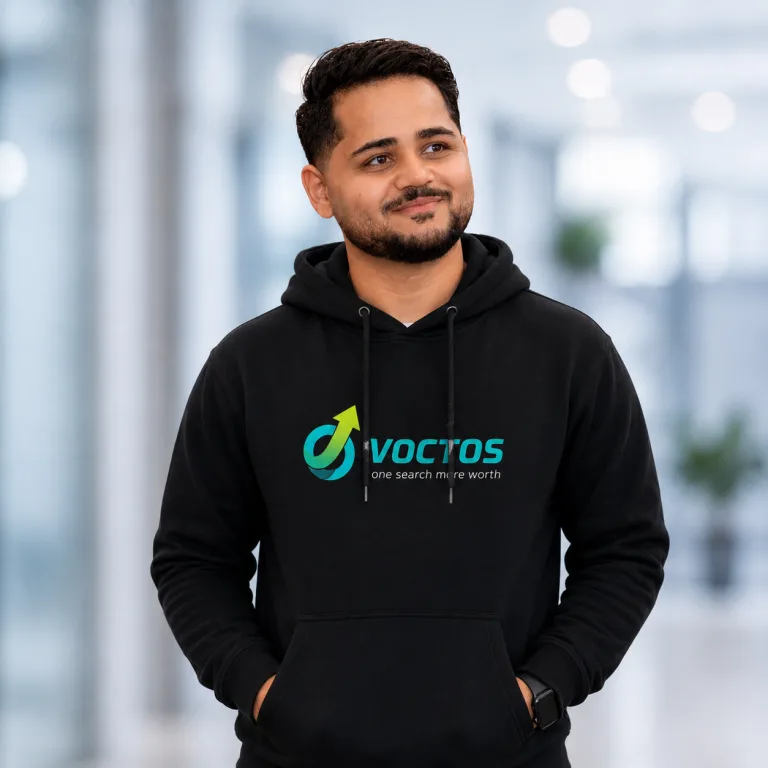 Head of SEO and GEO
Beshoy Adel
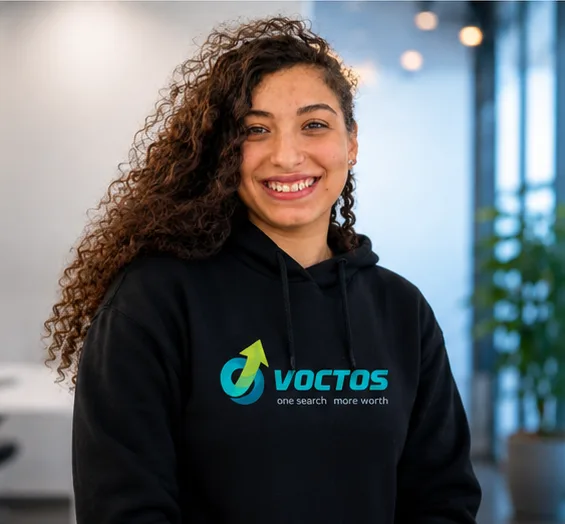 Senior SEO Specialist
Monika Gabriel
 Senior Full-Stack Web Developer
Reem Sameh
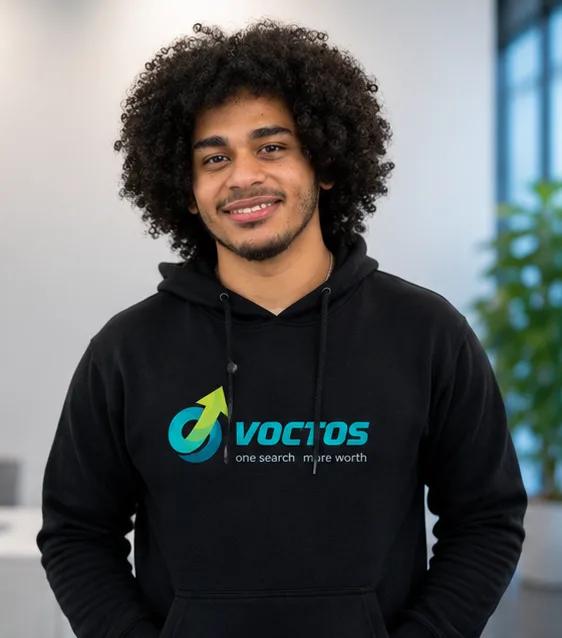 Head of PPC
Keroles Mousa
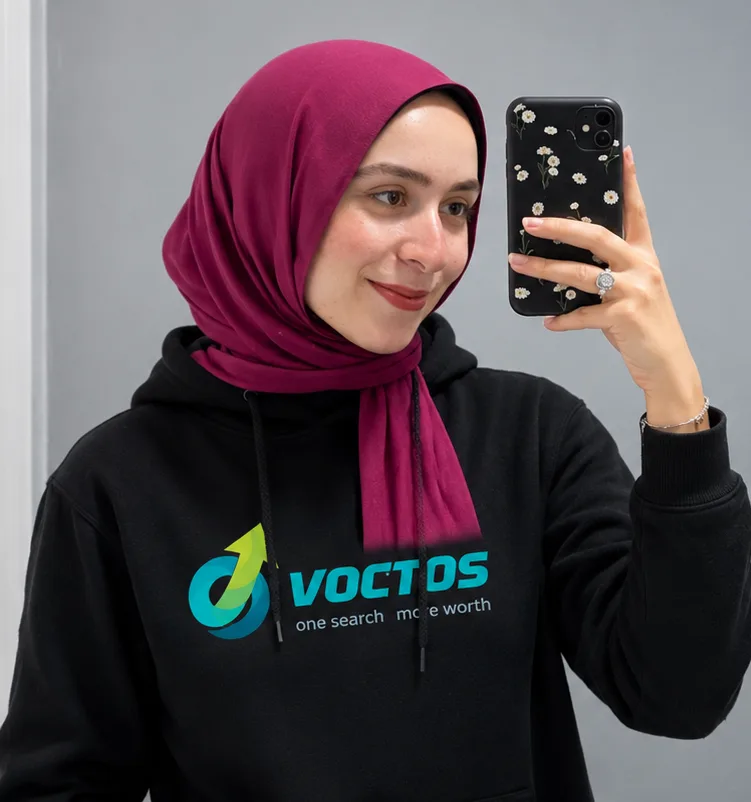 SEO Specialist
Tasneem Moustafa
 Link Building Specialist
Shadi Milad
 SEO Specialist
Aya Kandil
 SEO Content Writer
Marina Magdy
Questions we get asked about ASO
Keyword ranking changes usually appear within two to four weeks of a listing update, because both stores re-index quickly. Conversion changes are faster still: an A/B test on screenshots or the opening lines can produce a readable result in a week or two if the app has traffic. What takes longer is compounding — better rank brings more views, more installs improve the ranking signals, and that loop needs a few months to be worth measuring.
Yes, to App Store Connect and to the Google Play Developer Console. Without them we cannot see the search terms your listing is already found for, cannot run a store-side A/B test, and cannot read the crash and retention data that explains a bad rating. We work at the access level you are comfortable with, but a read-only account limits the work to recommendations you would then implement yourselves.
No, and treating it as one job costs you one of the two stores. iOS ranks from a hidden 100-character keyword field plus the app name and subtitle, and mostly ignores the description. Google Play has no keyword field and indexes the short and long descriptions directly. The same text in both places leaves Play with nothing to index and wastes the iOS keyword field on words already in the title.
It matters more, not less. Paid installs land on the same listing as organic ones, so conversion rate applies to the traffic you paid for. A listing converting at three percent instead of six is doubling your cost per install before a single creative is tested. ASO is also what stops the paid budget from being the only thing holding the app up.
They do two things. They help the store listing and any web landing page surface in ordinary web search, which is where a large share of app discovery starts. And they build the entity — the app, the company, the category — that AI assistants draw on when someone asks for a recommendation rather than typing a store search.
We can, and it changes the shape of the engagement. You get the research, the mapping, the rewritten copy and the test plan as documents, and their team ships it. It works, but the feedback loop is slower and the A/B testing cadence usually slips, so we would set expectations on timing accordingly.