
Generative Engine Optimization (GEO) Services in Egypt: The 2026 Playbook

Nine years ago, our agency was helping Egyptian brands climb the ten blue links on Google. Today, more than half of those same brands tell us a different story: their customers are quoting answers they read inside ChatGPT, Google AI Overviews, Gemini, and Perplexity, without ever clicking a result. That shift is exactly why Generative Engine Optimization (GEO) stopped being a buzzword and became a budget line.
This guide is the same playbook our senior team at VOCTOS uses to position Egyptian brands inside generative answers, written without the fluff you usually find in agency pages.
What Generative Engine Optimization actually means in 2026
GEO is the discipline of structuring a brand’s web presence so that large language models (LLMs) cite it when they generate answers. It is not “SEO with a new label.” Traditional SEO optimizes for ranking on a results page; GEO optimizes for being extracted, summarized, and quoted inside an AI answer. The metric that matters is share of voice inside generative responses, not position on a SERP.
For Egyptian businesses, the practical difference is huge. A clinic in Maadi can no longer rely on a Google Business Profile alone, when a patient asks ChatGPT “best dermatology clinic in Cairo for adult acne”, the model doesn’t open Google Maps. It pulls from indexed text, structured data, and authoritative mentions across the open web.
Why GEO is urgent for Cairo and Alexandria brands right now
Three signals tell us 2026 is the inflection year for the Egyptian market:
- AI Overviews are now default for English queries served from Egypt, including high-intent terms like “digital marketing agency Cairo” and “best CRM for SMEs Egypt”.
- ChatGPT browsing and Perplexity are now common research tools for Egyptian B2B buyers, especially in fintech, real estate, and SaaS procurement.
- Click-through rates from classic SERPs are collapsing for informational queries. If your content only lives on page one of Google but never gets cited by an LLM, your traffic curve will flatten in 2026.
At VOCTOS, founded in Cairo in 2017, with 500+ projects delivered across 22+ countries for 350+ clients, we started rebuilding our deliverables around generative visibility in 2023. The pages you’ll see ranking inside AI answers today were optimized eighteen months ago.
The five pillars of a serious GEO service in Egypt
1. Entity establishment and brand grounding
LLMs reason in entities, not keywords. Before a model can recommend your brand, it has to know your brand exists, what category you compete in, and which attributes describe you. We build that knowledge graph through Wikidata entries, schema.org Organization markup, consistent NAP citations across Egyptian directories, and authoritative co-mentions in trade publications.
2. Answer-first content architecture
Generative engines extract sentences. If your most important claim is buried in paragraph six, it will lose to a competitor who put it in paragraph one. Senior GEO writing follows an “answer → evidence → expansion” structure: the answer in 40–60 words, the evidence (data, sources, examples) immediately after, and the expansion for human readers who want depth.
3. Citation-worthy assets
LLMs prefer to cite original data, frameworks, and definitions. A brand that publishes a proprietary 2026 Egypt Digital Spending Index will be cited far more often than one rewriting generic listicles. Our editorial team is built around producing this kind of primary content, surveys, internal benchmarks, and field studies from real Egyptian campaigns.
4. Structured data depth
Schema markup is the bridge between human content and machine reasoning. For GEO we go beyond Article and FAQPage: we deploy HowTo, Product, Service, and Dataset where appropriate. (SpeakableSpecification and ClaimReview schema exist too, but there’s no confirmed evidence they influence AI Overview or AI Mode citations, so we don’t prioritize them for GEO.) Every page on voctos.com now ships with at least one validated schema block.
5. Off-domain authority signals
LLMs are trained and grounded on the open web. If your brand is only visible on your own domain, you’re invisible to them. Real GEO includes earned mentions in Egyptian and regional outlets, presence in respected industry roundups, and consistent expert profiles for your founders on Crunchbase, LinkedIn, and trusted databases.
How we measure GEO success at VOCTOS
Reporting is where most “GEO services” in Egypt fall apart. There is no Google Search Console for ChatGPT. We track:
- Brand mention rate across a fixed prompt set in ChatGPT, Gemini, Perplexity, and Claude, measured monthly.
- AI Overview presence for target keywords using rank-tracking tools that flag AI Overview results.
- Referral traffic from AI sources (Perplexity, ChatGPT browsing, Copilot) inside GA4.
- Citation-worthy content velocity, how many quotable assets we publish per quarter.
Local context: what works specifically for Egypt
Generic global GEO advice misses two things about the Egyptian market. First, English and Arabic content compete in the same answer space, many Cairo professionals query in English but expect locally relevant answers. Second, trust signals here are heavily relationship-driven: reviews on Google, Trustpilot, and even Facebook still feed model grounding for Egyptian businesses far more than they do in mature Western markets.
Practical implications: bilingual content with proper hreflang, an aggressive review acquisition program, and at least one feature in a recognized Egyptian publication per quarter.
Common mistakes we see when companies try GEO in-house
The most expensive mistake is treating GEO as a content problem only. Without entity work and structured data, beautifully written articles still get ignored by models. The second mistake is “stuffing” content with FAQ blocks generated by AI, those blocks pollute your topical authority and create thin, redundant pages that hurt both classic SEO and GEO.
The third mistake, common among Egyptian SMEs, is publishing translated competitor content. LLMs detect duplication at the embedding level. If your “GEO services Egypt” page is a paraphrase of a US agency’s page, it will not rank, and it will not be cited.
What our GEO engagement looks like
A typical VOCTOS GEO engagement runs 90 days for the foundation phase: full entity audit, schema rebuild, content gap analysis against AI answers, and the first cohort of citation-worthy assets. From month four onward we move into a continuous program, monthly prompt-set monitoring, fresh primary research, and authority outreach.
We work with brands that take search seriously enough to invest in being the answer, not just a result. If that’s where you are, our team in Cairo is ready to talk.
Frequently Asked Questions about GEO in Egypt
Is GEO replacing SEO?
No. GEO and SEO share most of the technical foundation, crawlability, structured data, content quality, authority. GEO adds entity work, answer-first writing, and prompt-set measurement on top. A brand that abandons SEO to chase GEO will lose both.
How long before GEO results show up?
For Egyptian brands with an established ranking and link profile, we typically see brand mention rate inside ChatGPT and Perplexity move within 60–90 days. AI Overview presence on Google tends to follow at 90–120 days, because the underlying SEO signals need to mature.
What budget range makes sense for GEO in Egypt?
Anything below the cost of a single mid-level marketer is not going to produce the entity, content, and outreach work GEO requires. Most of our GEO retainers in Egypt sit in the same band as a serious SEO retainer, generative work is layered on top, not sold as a discount add-on.
Can we do GEO without doing SEO first?
Only if your site is already technically clean and authoritative. In practice, we run the two together. Every GEO sprint at VOCTOS delivers SEO improvements as a by-product, because the same fundamentals, schema, content depth, links, power both.
Why choose VOCTOS for GEO services in Egypt?
We are a Cairo-founded agency (2017) with 500+ projects across 22+ countries and 350+ clients, named a Google Premier Partner. Our senior team has been shipping GEO deliverables since 2023 and we operate with the same rigor on AI search that we bring to traditional SEO and paid media.
Frequently Asked Questions: GEO Services in Egypt
What is the difference between GEO and SEO?
SEO (Search Engine Optimization) focuses on ranking in traditional search engines like Google. GEO (Generative Engine Optimization) focuses on being cited in AI-generated answers from ChatGPT, Gemini, Perplexity, and Copilot. In 2026, both are necessary. For a detailed comparison, read our guide on GEO vs SEO for Egyptian Businesses: What Actually Changes in 2026.
How long does GEO take to produce results for Egyptian brands?
AI citation share typically begins improving within three to six months of implementing a structured GEO strategy. The timeline depends on your current domain authority, the competitiveness of your category in AI training data, and the quality of your content. Brands with strong existing SEO authority tend to see faster GEO results because the foundational trust signals are already in place.
Do Egyptian brands need GEO if they already do SEO?
Yes. AI search engines use different signals than traditional search engines and cite different sources. A brand can rank on page one of Google and still have zero AI citation share. In 2026, Egyptian professionals and consumers increasingly use AI engines for research and purchase decisions, brands invisible in those answers are losing consideration share regardless of their Google rankings.
How do you measure GEO success for Egyptian brands?
The primary GEO metric is AI citation share: what percentage of relevant AI-generated answers mention your brand? Secondary metrics include direct traffic from AI engine referrals, branded search volume growth (a downstream effect of AI visibility), and share of voice in AI-generated comparisons and recommendations in your category.
Related guides
Don't miss the chance to
make your website more visible!
Initial consultation and
audit of the current situation

Read also

Article Tag Clouds in SEO: What They Are and How to Use Them
Article What Are Duplicate Pages and Why Are They Dangerous
Article Why AI Still Describes Your Old Brand: Knowledge Cutoffs Explained

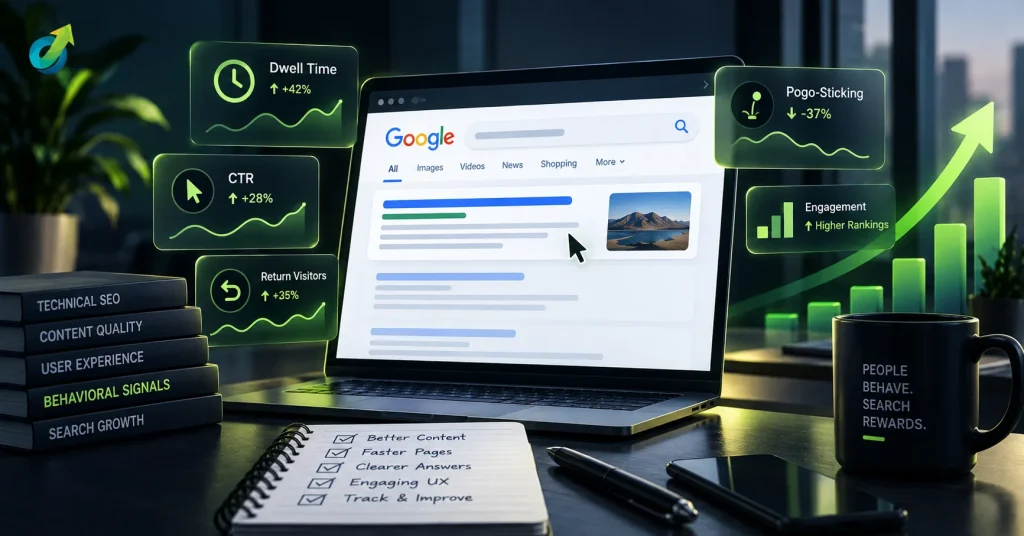
Article Behavioral Factors in SEO: What They Are and How to Improve Them
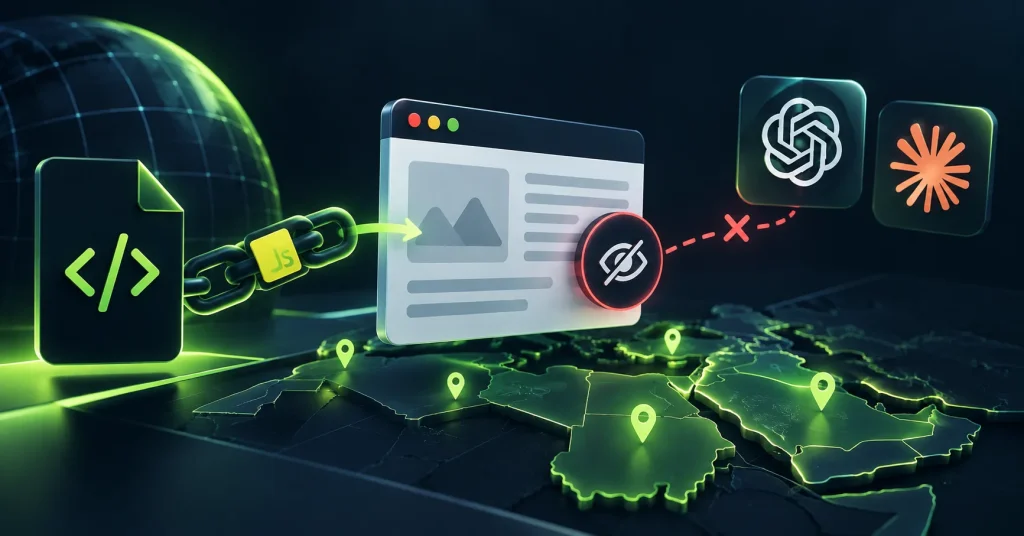
Article JavaScript Links Are Hiding MENA Sites From ChatGPT and Claude

Article VOCTOS Is a Top SEO, PPC and SEM Company in Egypt on Clutch for 2026
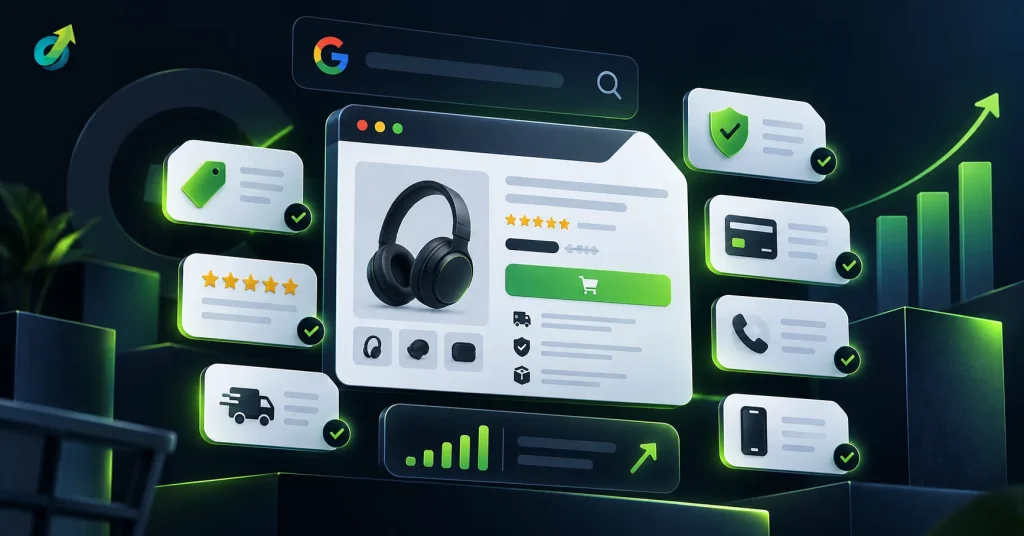
Article Commercial Ranking Factors: The Complete List

Article The Title Meta Tag: What It Is and How to Write It
Real Results
More Wins
SEO & GEO for Delta Medical Labs
 GEO
GEO
1M+ monthly organic visits, 159,200 ranked keywords, 5,570 pages cited by AI engines, and 1,186 #1 rankings in KSA.

Arabic SEO, GEO & guest posting for VPNly
 SEO
SEO
65K peak monthly organic visits, 55 guest posts, and 149 pages cited by AI engines.

SEO & GEO for Ogaei Virtual Care
GEO
From 3 to 7,931 monthly organic clicks in 7 months, 2.9M+ impressions, and 40+ keywords in Google’s Top 10.

SEO for Eduverse
SEO
12× search traffic in 10 months, 45% of target keywords in the top 5, and 55% in the top 10.
Trusted by