
How to Find Related Keywords and Use Them Properly in 2026
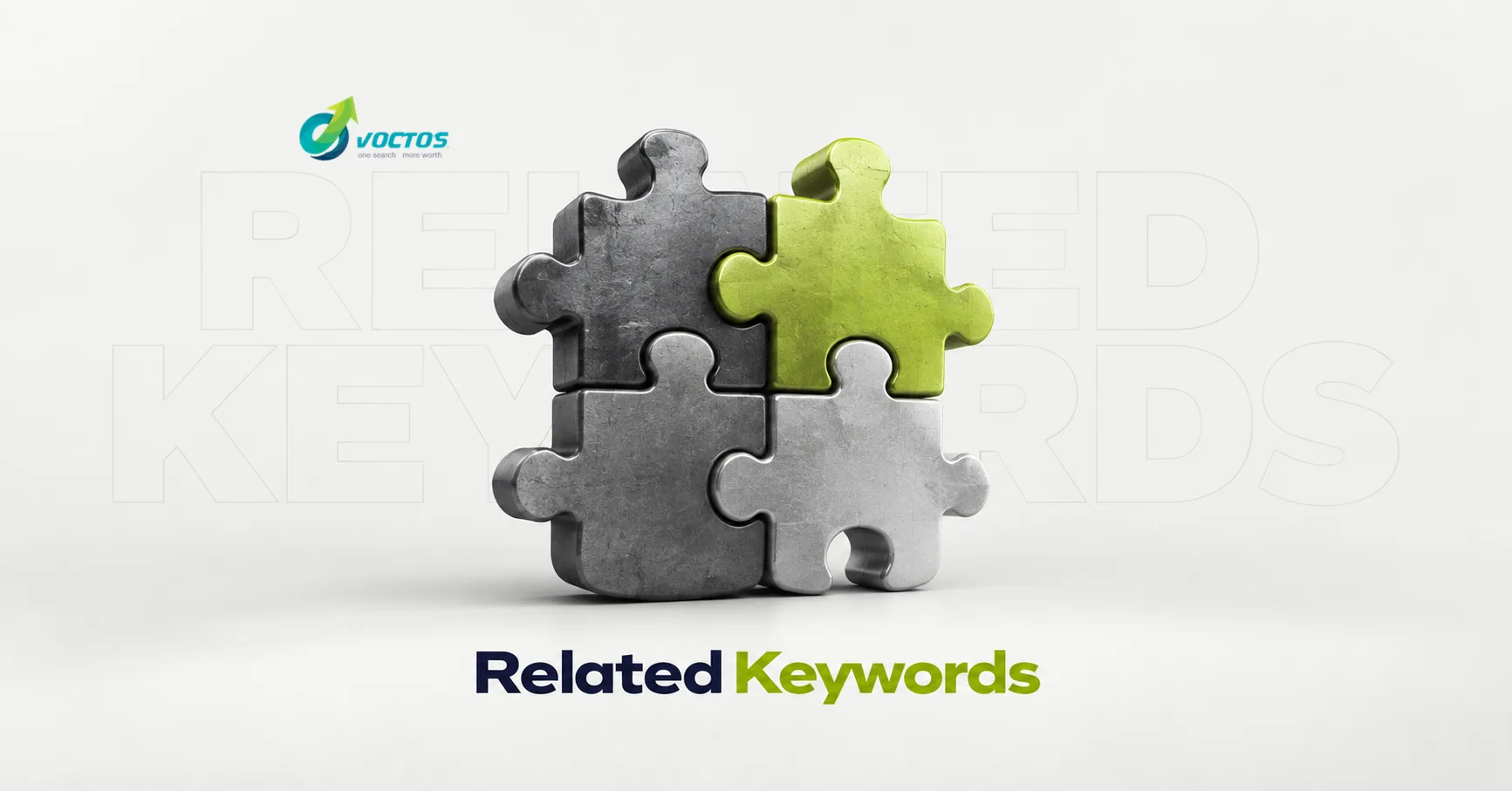
Related keywords are one of the most misunderstood concepts in SEO. To a beginner, they mean synonyms. To a senior strategist, they represent the entire constellation of queries that share a topic, an intent, or a buyer mindset with your primary keyword. The difference matters enormously, shallow keyword research produces shallow rankings, while comprehensive related-keyword coverage earns top positions across dozens of queries simultaneously.
This guide explains exactly how to find related keywords, how to categorise them, and how to deploy them inside your content in a way that actually improves rankings. We’ll also cover what Egyptian brands need to know that global SEO guides tend to miss. For the full strategic picture, see our SEO Guide 2026: How to Win Search and AI Visibility in Egypt.
What Are Related Keywords and Why Do They Matter in 2026?
Related keywords are terms that are semantically, topically, or intentionally connected to your primary keyword. Google’s algorithm uses related keywords to understand the full context of a page, not just what it is about, but how comprehensively it covers the topic.
In 2026, related keywords matter more than ever for three reasons. First, Google’s semantic search understands concepts, not just strings of text. A page that covers related concepts ranks more broadly than a page that repeats one keyword. Second, AI search engines like ChatGPT, Gemini, and Perplexity cite pages that comprehensively answer questions, related keyword coverage signals topical depth to these systems. Third, Featured Snippets and People Also Ask results disproportionately go to pages that answer multiple related questions, not just the primary query.
The practical implication is significant: a single well-written page that covers a topic and its related queries can rank for 30–50 long-tail keyword variants simultaneously. This is why related keyword research has become a core step in professional content planning rather than an afterthought.
Three Categories of Related Keywords Worth Distinguishing
Not all related keywords behave the same way, and treating them identically leads to wasted effort. We sort related keywords into three categories during research, and each category requires a different content strategy.
1. Semantic Variants
These are different ways of expressing the same concept. “Related keywords,” “LSI keywords,” “semantic keywords,” and “keyword variations” all share the same intent, someone trying to understand how to cover a topic more comprehensively. Semantic variants can almost always be targeted on the same page. There is no value in creating separate pages for each variant; doing so creates thin content and dilutes your authority across duplicative pages.
For Egyptian brands, semantic variants include Arabic and English expressions of the same concept. “SEO Misr” and “SEO Egypt” are semantic variants for most queries, but they may require separate treatment depending on whether your audience is Arabic-first or English-first.
2. Subtopic Keywords
These are more specific queries that fall under your main topic. If your primary keyword is “SEO strategy Egypt,” subtopic keywords include “on-page SEO Egypt,” “technical SEO Egypt,” and “link building Egypt.” Each subtopic has its own distinct search intent and typically deserves its own dedicated page. These dedicated pages then link back to the main topic page, creating a pillar-cluster structure that distributes authority throughout your site.
Identifying subtopic keywords during initial research prevents a common mistake: creating one overloaded page that tries to rank for everything and ranks for nothing. Each subtopic page can be comprehensively written for its specific intent, and together they form a cluster that ranks across the full breadth of a topic.
3. Adjacent Intent Keywords
These are queries asked by the same audience at a different point in their buyer journey. Someone searching “how to choose an SEO agency Egypt” is adjacent to someone searching “SEO agency Egypt prices”, same audience, different stage. Adjacent intent keywords should not be targeted on your primary page, but they should be linked to: they represent content opportunities that capture your audience earlier in their journey and nurture them toward conversion.
Mapping adjacent intent keywords is particularly valuable for Egyptian brands in competitive categories like real estate, finance, and e-commerce, where the buyer journey is long and multi-touch. Covering the full journey with interconnected content is a core strategy at VOCTOS for building authority that compounds over time.
How to Find Related Keywords: 7 Methods That Work in 2026
Method 1: Google’s People Also Ask
Search your primary keyword and scroll to the “People Also Ask” section. Every question Google shows is a validated related query, real users searched these exact questions often enough for Google to surface them. Click on each question to expand it and trigger additional questions. A single PAA box can surface 15–20 related keyword opportunities through this recursive expansion. These are gold for FAQ sections and semantic coverage because they are pre-validated by Google as related to your topic.
Method 2: Google Search Suggestions and Related Searches
Type your primary keyword into Google and note the autocomplete suggestions as you type. These are ranked by search frequency. Then scroll to the bottom of the SERP and collect the “Related searches” section, these eight suggestions represent the most commonly searched related queries for your primary keyword. Both sources reflect real user behavior rather than keyword tool estimates, making them highly reliable for intent research.
Method 3: Competitor Page Analysis
Open the top three ranking pages for your primary keyword and read them carefully. Note every related term they use naturally throughout the text. These are the terms Google has validated as topically relevant by rewarding those pages with top rankings. This analysis also reveals which subtopics your competitors are covering that you may be missing, and missing subtopics often explain ranking gaps more than any technical factor.
Method 4: Keyword Research Tools
Ahrefs, Semrush, and Google Keyword Planner all have related keyword features. Ahrefs’ “Also rank for” and “Related terms” reports are particularly useful for finding related keywords that overlap between your competitors’ pages. The key is not to collect every suggestion, it is to filter for terms with commercial relevance to your audience and business. For Egyptian market research, run your research in both English and Arabic as separate tracks, because the Arabic-language related keyword landscape is significantly different and often less competitive.
Method 5: Google Search Console Performance Data
Google Search Console shows you what queries are already bringing traffic and impressions to your existing pages. Filter by your target page and export all queries. Any query bringing impressions but low clicks is a related keyword that Google already associates with your content, explicitly covering that term more comprehensively is one of the fastest ways to increase existing page performance without creating new content. For more on using analytics data to drive content decisions, see our guide on How to Use GA4 Reports to Define Your SEO Priorities for 2026.
Method 6: Forum and Community Mining
Reddit, Quora, and Egyptian Facebook Groups in your industry are underused keyword research sources. The language real users use when asking questions in these communities is often more natural and intent-rich than what keyword tools surface. This is especially valuable for Arabic-language research, where colloquial Egyptian Arabic terms appear in social communities but rarely in keyword tool databases. Mining these communities for questions in your category surfaces long-tail related keyword opportunities that no tool will show you.
Method 7: AI-Assisted Topical Mapping
In 2026, AI tools like Claude and ChatGPT can generate comprehensive topic maps around a seed keyword in seconds. Prompt an AI model with: “What are all the related questions, subtopics, and adjacent concepts someone researching [primary keyword] would want to know?” The output gives you a comprehensive map of related keywords to validate with search volume data. This approach is particularly efficient for new content categories where you have limited existing data.
How to Use Related Keywords in Your Content
Finding related keywords is the easy part. Using them correctly is where most SEO practitioners make mistakes. Here are the principles we follow at VOCTOS for every content project.
Never Force Them
Related keywords should appear naturally in the text. If a sentence sounds awkward with a keyword included, the keyword does not belong in that sentence. Google’s search quality raters assess sample results against published guidelines to calibrate ranking systems; they do not score individual sites, but those systems do devalue keyword-stuffed text regardless of the individual keyword density numbers. Write for readers first; related keywords will appear naturally if your content genuinely covers the topic.
Use Related Keywords in Headings Where Natural
H2 and H3 subheadings that include related keywords give Google clear topical signals without any over-optimization risk. A heading like “How to Find Related Keywords Using Google Search Console” naturally includes three related terms (find related keywords, Google Search Console, and the implied topic of the article) in a single heading that also genuinely organizes the content for readers.
Cover Subtopics as Dedicated Sections
The biggest ranking gains from related keyword research come from covering related subtopics as dedicated sections with 150–300 words each, not from sprinkling keyword variants throughout paragraphs. Each dedicated section signals to Google that this page provides comprehensive coverage of the topic, not just surface-level treatment. In our experience this is one of the clearest differences between pages that hold the top few positions and those stuck just below them.
Build FAQ Sections Around Related Questions
People Also Ask questions make excellent FAQ entries. They are pre-validated by Google as related to your primary topic and regularly generate Featured Snippet placements. A well-constructed FAQ section that addresses 6–8 related questions can double a page’s keyword coverage without feeling forced, because questions naturally invite comprehensive answers.
For a practical framework that puts all of this into action, read our guide on SEO Content Strategy 2026: A Practical Plan for Egyptian Brands.
Related Keywords and AI Search Engines in 2026
AI search engines like ChatGPT, Gemini, and Perplexity are changing how related keyword research matters. These systems don’t just look for keyword matches, they assess topical completeness when deciding which pages to cite in AI-generated answers. A page that covers a topic comprehensively, including related subtopics and follow-up questions, is significantly more likely to be cited than a page that targets a single keyword.
This means related keyword coverage now serves two purposes simultaneously: traditional search rankings and AI citation share. The content strategy that maximises both is the same: comprehensive topical coverage, natural language, structured subheadings, and thorough FAQ sections. For more on building content that ranks in AI search, see our guide on Answer Engine Optimization (AEO) Services in Egypt.
Related Keywords for Egyptian Brands: Special Considerations
Egyptian market keyword research has specific characteristics that global SEO guides ignore. Understanding these characteristics is essential for brands competing in Egyptian search results.
Arabic-English bilingual research is non-negotiable. Run your related keyword research separately in both languages. Arabic-language related keywords often have significantly lower competition than their English equivalents, and they frequently attract higher conversion intent from local audiences because the searcher is specifically looking for Arabic-language resources or local providers. Ignoring Arabic-language related keywords means ceding a large portion of your potential traffic to competitors who do the research properly.
Egyptian colloquial Arabic (Masri) terms often appear in search differently from Modern Standard Arabic (MSA). Keyword tools surface MSA terms reliably but struggle with colloquial variants. For colloquial keyword research, community mining, particularly in Egyptian Facebook Groups and WhatsApp-linked forums, is more reliable than any keyword tool. Combining tool-based research with community mining gives you a complete picture of how Egyptian users actually search.
Geographic modifiers function as powerful related keywords for Egyptian brands with local intent signals. “Cairo,” “Alexandria,” “New Cairo,” “Maadi,” “Heliopolis,” and specific neighbourhood names all modify search intent significantly. Include geographic related keywords naturally in content targeting Egyptian audiences, not as a list at the bottom of the page, but woven into examples, case studies, and context throughout the article.
Building a Related Keyword Research Process
Professional keyword research is not a one-time exercise, it is an ongoing process that feeds continuous content improvement. Here is the streamlined process we use at VOCTOS:
Start with your primary keyword and collect related keywords from Google Autocomplete, People Also Ask, and Related Searches in a single research session. This takes 15–20 minutes per primary keyword and surfaces 30–50 related terms. Then run the primary keyword through your keyword research tool of choice (Ahrefs or Semrush) and add any high-relevance related terms from the “Also rank for” and “Related terms” reports.
Sort the collected related keywords into the three categories: semantic variants (target on the same page), subtopics (separate dedicated pages), and adjacent intent (linked from the primary page but addressed separately). For the primary page, plan dedicated sections for every subtopic that has significant search volume and relevant intent. For each related question in the People Also Ask, decide whether it belongs in an FAQ section or warrants a dedicated page.
Finally, connect all related pages with strategic internal links. Linking from your primary topic page to subtopic pages, and from subtopic pages back to the primary, builds a topical authority cluster that Google recognizes as comprehensive domain expertise. Read our guide on Why Internal Site Search Is a Hidden Enterprise SEO Lever for more on how site architecture supports keyword coverage.
Frequently Asked Questions: Related Keywords
What is the difference between related keywords and LSI keywords?
LSI (Latent Semantic Indexing) keywords is an outdated and largely inaccurate term. Google does not use LSI in the way the SEO marketing industry implied when the term gained popularity. “Related keywords” is the more accurate description for semantically and topically connected queries. The practical content advice is similar, cover related concepts comprehensively, but “LSI keywords” as a technical concept should not guide your strategy. Related keywords are a better frame because they focus on user intent and topic coverage rather than a specific (outdated) algorithm model.
How many related keywords should I target per page?
There is no ideal number. A single comprehensive page targeting a moderately complex topic might naturally incorporate 20–40 related terms if it covers the topic thoroughly. The test is not “how many keywords did I include?” but “does this page comprehensively answer the search intent behind the primary keyword and its most important related queries?” Count semantic coverage, not keyword instances.
Should I create separate pages for each related keyword?
Only if the related keyword has a significantly different search intent from your primary page. Semantic variants, different ways of saying the same thing, should be targeted on the same page. Subtopic keywords with distinct intent should have their own dedicated pages, linked strategically from the main topic page. Creating separate pages for every keyword variant is a common mistake that creates thin content and dilutes site authority.
Do related keywords help with AI search engines?
Yes, significantly. AI search engines assess topical comprehensiveness when deciding which pages to cite. A page that covers related concepts, answers follow-up questions, and demonstrates subject matter depth is much more likely to be cited in AI-generated answers than a page targeting a single keyword. Related keyword coverage is one of the most direct ways to improve AI citation share.
How often should I update my related keyword research?
For actively targeted pages, revisit your related keyword research every six months. Search trends shift, new related queries emerge, and Google’s understanding of topical relationships evolves. Pages that were comprehensive when first published can fall behind as the search landscape changes. Regular Search Console audits, looking for new queries bringing impressions to your pages, are the fastest way to identify related keywords worth adding to existing content.
Can related keywords hurt a page if over-used?
Only if they are forced unnaturally into the text. Writing that feels artificial to a human reader signals low quality to Google’s quality evaluators. The safeguard is simple: read your content aloud. If related keywords appear in places where the sentence sounds awkward, remove them. Natural coverage of related concepts never triggers quality penalties, only artificial stuffing does.
Related Reading
- Long-Tail Keywords: How to Find Them and Rank For Them in 2026
- SEO Content Strategy 2026: A Practical Plan for Egyptian Brands
- SEO Guide 2026: How to Win Search and AI Visibility in Egypt
- How to Use GA4 Reports to Define Your SEO Priorities for 2026
- Programmatic SEO in 2026: How to Scale Without Getting Penalized
- Answer Engine Optimization (AEO) Services in Egypt
- Off-Page SEO in 2026: The Tactics That Still Boost Visibility
- How to Optimize for Google AI Mode in 2026
Related guides
Want more people
to find your website?
Strategy call and
full site audit

Read also

Article Sovereign AI in the Gulf: What Arabic Models Mean for How Your Business Gets Found

Article Clinic SEO Case Study: How We Took a Kuwait Clinic to #1 on Google and Into AI Answers in 2 Months
Article Hospital SEO Case Study: How Al Mouwasat Grew Non-Brand Traffic 2.9X to 314K Monthly Visits
Article Screaming Frog for JavaScript Sites: How to Crawl What Search Engines Actually See
Article Retrieval or Memory? How to Tell Why an AI Got You Wrong
Article How to Choose a GEO Agency in Egypt and the Gulf: A Buyer’s Checklist

Article ChatGPT Referral Traffic Fell 46%: What Gulf Brands Should Check
Article 301 Redirects: What They Are and How to Set Them Up Correctly





Real Results
More Wins
SEO & GEO for Delta Medical Labs
 GEO
GEO
1M+ monthly organic visits, 159,200 ranked keywords, 5,570 pages cited by AI engines, and 1,186 #1 rankings in KSA.

Arabic SEO, GEO & guest posting for VPNly
 SEO
SEO
65K peak monthly organic visits, 55 guest posts, and 149 pages cited by AI engines.

SEO & GEO for Ogaei Virtual Care
GEO
From 3 to 7,931 monthly organic clicks in 7 months, 2.9M+ impressions, and 40+ keywords in Google’s Top 10.

SEO for Eduverse
SEO
12× search traffic in 10 months, 45% of target keywords in the top 5, and 55% in the top 10.
Trusted by