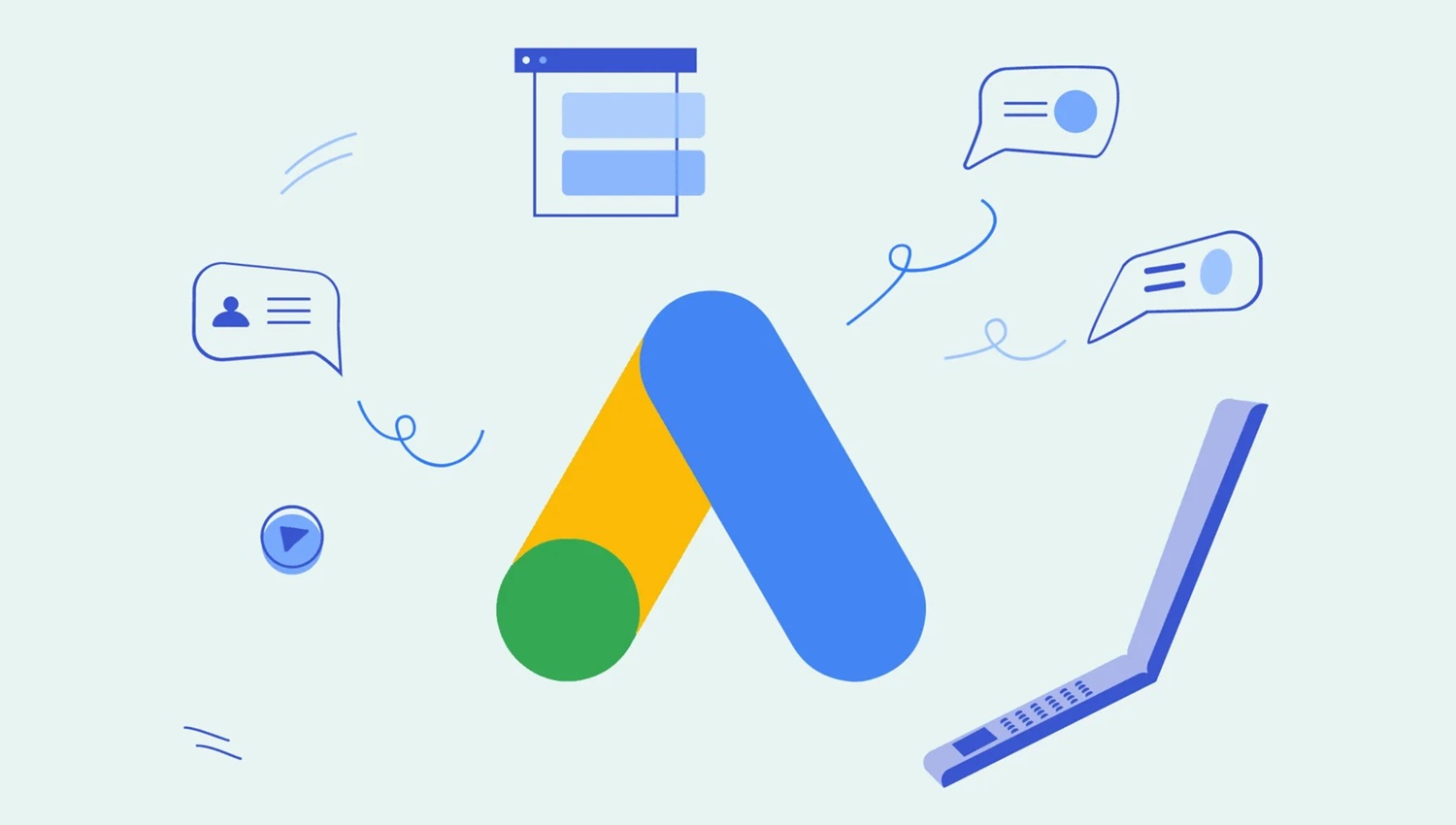
Most marketing teams under thirty have never typed the word “AdWords” — they grew up with Google Ads. The rebrand happened in 2018. But the legacy of that change still shows up in how the platform works, what it costs, and how Egyptian brands should approach it in 2026.
This is the senior, no-fluff explanation of where Google Ads stands today, what changed when AdWords became Google Ads, and how we approach paid search at Voctos for Egyptian clients.
The short history
Google AdWords launched in 2000 as a self-serve auction-based ad platform built around the search results page. For nearly two decades it was the dominant brand for paid search. In July 2018 Google rebranded the platform to Google Ads and reorganized its broader ad ecosystem into three products: Google Ads (formerly AdWords), Google Marketing Platform (formerly DoubleClick and Google Analytics 360 Suite), and Google Ad Manager (formerly DoubleClick for Publishers and AdExchange).
The rebrand wasn’t just cosmetic. It signaled a strategic shift: paid search was no longer the only product, and the broader Google Ads platform now spanned Search, Display, YouTube, Shopping, Discovery, Performance Max, App campaigns, and Local Service Ads. The same brand carries a far wider product surface.
What that means for Egyptian advertisers in 2026
Three implications matter:
- Search is no longer the default. Performance Max, Demand Gen, and YouTube campaigns frequently outperform pure search for Egyptian e-commerce and lead-gen brands today.
- Automation is the platform. Smart Bidding, Performance Max, and AI-driven creative are no longer optional features — they are the default mechanics. Manual control is increasingly limited.
- Privacy and signal quality reshape targeting. Cookie deprecation, consent mode, and enhanced conversions have changed how data flows back into the platform. Brands without proper measurement plumbing under-perform regardless of bid strategy.
How Google Ads actually works in 2026
Smart Bidding is mandatory for serious performance
Manual CPC and even Enhanced CPC are functionally legacy bid strategies for most use cases. Target ROAS, Maximize Conversions, and Maximize Conversion Value with target are where the platform invests its optimization. Brands that resist Smart Bidding leave performance on the table.
Performance Max is dominant for transactional e-commerce
For Egyptian e-commerce brands with proper feed and conversion tracking, Performance Max consistently delivers strong ROAS — when set up correctly. Setup quality is where most accounts fail; the platform is unforgiving of weak feeds and incomplete conversion data.
Search remains essential for lead generation
For B2B and high-consideration consumer purchases, classic Search campaigns still own the highest-intent moments. Combined with proper match-type discipline and negative keyword hygiene, Search delivers the most attributable revenue per Egyptian pound spent.
YouTube and Demand Gen are increasingly underrated
For brand building and mid-funnel demand creation in Egypt, YouTube and Demand Gen reach audiences at a fraction of the cost of equivalent meta or TikTok inventory. Underused by most Egyptian advertisers; consistently efficient when used correctly.
The Voctos approach to Google Ads in Egypt
Measurement first, campaigns second
Before launching anything, we audit conversion tracking, enhanced conversions, GA4 integration, server-side tagging where appropriate, and consent mode setup. Without clean measurement, every optimization decision is guesswork.
Account architecture built for Smart Bidding
Modern accounts have fewer, larger campaigns — not the over-segmented structures of 2015. Smart Bidding learns faster on consolidated campaigns with rich conversion volume.
Creative as the primary lever
Inside automated bidding, creative is now the most controllable performance lever. Senior creative production — Responsive Search Ads with strong asset variety, video for YouTube and PMax, structured Shopping feeds — delivers more of the lift than bid-tweaking.
Continuous experimentation
Bid strategy A/B tests, audience tests, creative tests, landing page tests — running in parallel, with proper statistical discipline. Most accounts plateau because nothing is being tested; the ones that compound run experiments every week.
Common mistakes Egyptian advertisers make
Mistake 1: Treating Google Ads like Facebook Ads. The targeting, intent, and creative requirements are different. Strategies copy-pasted across platforms underperform on both.
Mistake 2: Resisting Smart Bidding. Manual bid tweaking is no longer a competitive advantage. The accounts that run on automation and invest in feed/creative quality consistently win.
Mistake 3: Weak landing pages. Even excellent campaigns lose to weak post-click experience. Senior teams treat landing pages as a paid-media deliverable, not a website afterthought.
Mistake 4: Ignoring negative keyword hygiene. Especially in Egypt, where mixed-language searches and broad colloquial variations create unwanted impressions. Weekly negative keyword work meaningfully improves quality score and CPCs.
How Google Ads connects to SEO and AI search
Smart 2026 strategies don’t run paid search and organic in silos. Search query data from Ads informs SEO content priorities. Strong organic rankings reduce paid CPCs through better quality scores. AI Overview presence shifts the keyword landscape that paid bidders compete on. The most efficient Egyptian advertising programs treat the three disciplines as one system.
How Voctos runs Google Ads
Every Voctos paid media engagement starts with a measurement audit, account architecture review, and creative gap analysis. From there we build campaigns engineered for Smart Bidding, equipped with senior creative, and connected to SEO and AI search learnings.
Voctos is a 2025 Google Premier Partner. We were founded in Cairo in 2021 and have shipped 290+ projects across 60+ countries for 140+ clients. Premier Partner status is given to a small percentage of agencies in any market and reflects sustained certified expertise, spend volume, and performance.
Frequently Asked Questions about Google Ads in Egypt
Is there still a difference between Google AdWords and Google Ads?
No. Google AdWords was rebranded to Google Ads in July 2018. The product continued to evolve significantly after that, but the name “AdWords” is no longer in use. References to AdWords today are essentially references to legacy paid-search functionality inside Google Ads.
How much should I budget for Google Ads in Egypt?
Budgets depend on category and goals. The honest framing is that below a certain monthly spend, Smart Bidding cannot accumulate enough conversion data to optimize properly. Most Egyptian B2B engagements need a meaningful test budget for the first 60–90 days before performance compounds.
Should I run Google Ads or focus on SEO?
Both. Paid search captures high-intent moments immediately; SEO compounds over months. The smartest Egyptian programs use Google Ads to fund the SEO investment that eventually reduces dependence on paid traffic for branded and high-volume keywords.
Is Performance Max worth it for Egyptian e-commerce?
Yes — when feed quality, conversion tracking, and creative assets are senior. The brands that fail with Performance Max usually fail at setup, not at strategy.
Why hire Voctos for Google Ads?
We’re a 2025 Google Premier Partner agency, founded in Cairo in 2021, with senior paid media strategists who run measurable accounts integrated with SEO, AI search, and creative. Premier Partner status is reserved for agencies that demonstrate sustained excellence — not a marketing badge.
Related Reading from Voctos
Google Ads is most effective when integrated with the rest of the search stack. Continue with:



Related items
AI is no longer a future search channel — it is THE search channel. Across Egypt, the Gulf
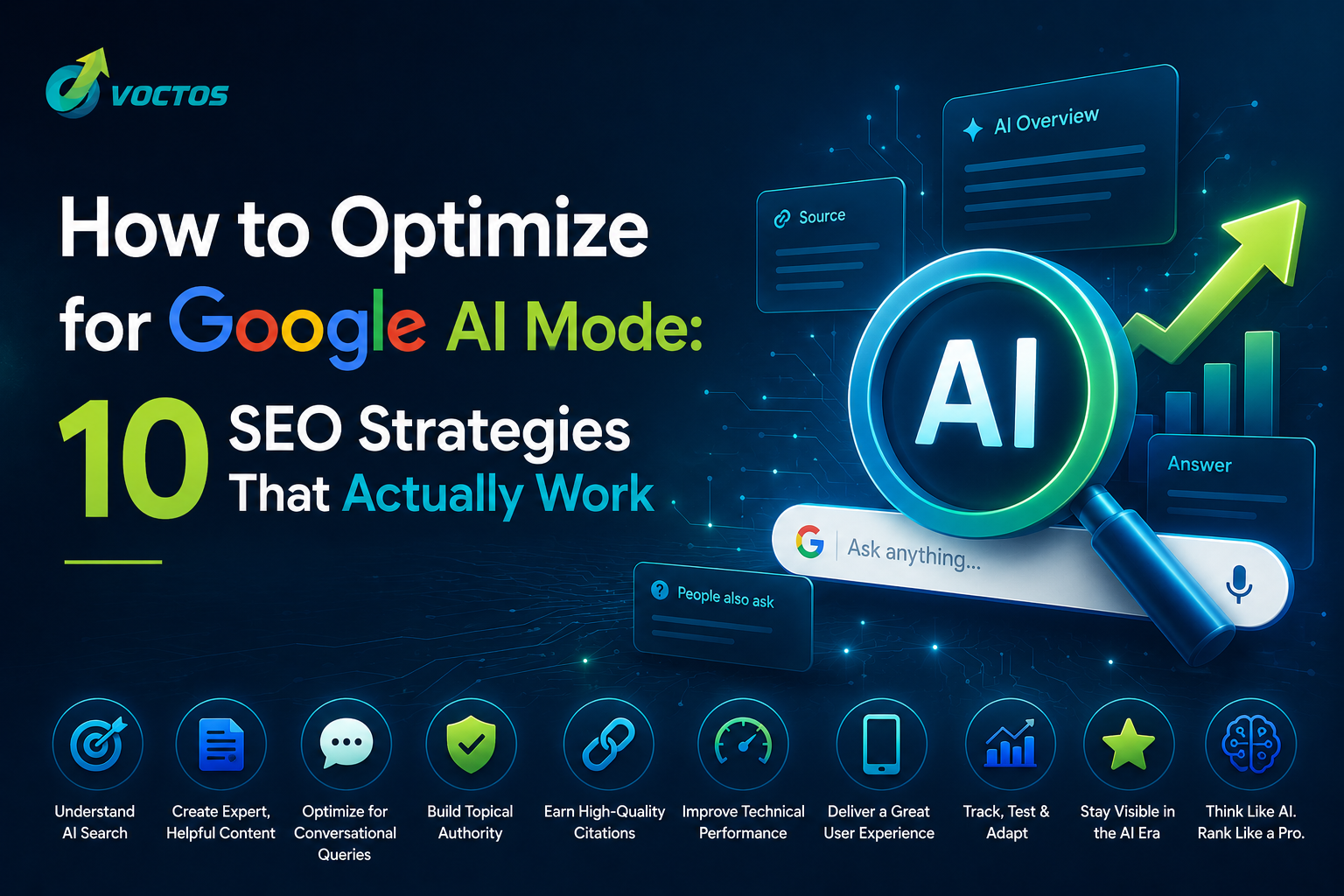
In May 2025, Google officially rolled out AI Mode — a search experience powered by Gemini
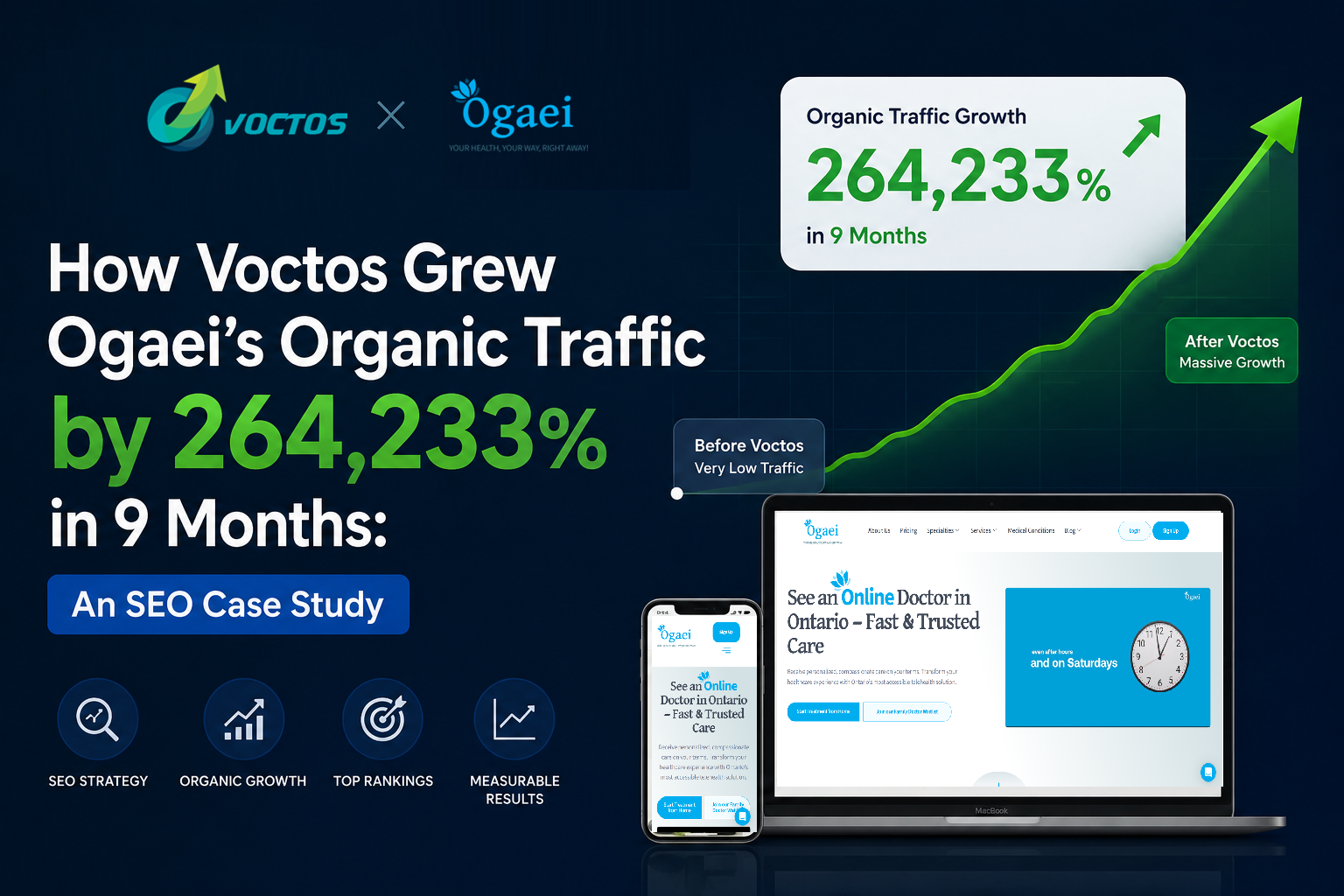
.cs-wrap{font-family:’Segoe UI’,Arial,sans-serif;color:#1a1a2e;max-width:900px;margin:0 au